 CELEB
CELEB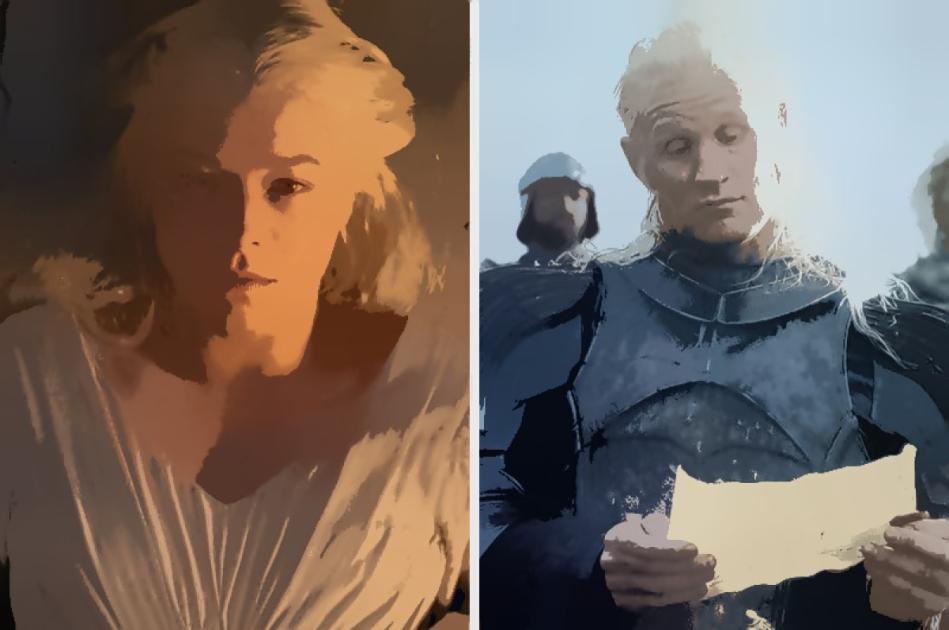
The Dragon Diaries: How HBO Brought Westeros Back to Life
When House of the Dragon premiered in 2022, millions of viewers tuned in expecting dragons, drama, and dynasty-defining battles. What they didn't expect was the sheer scale of production magic happening behind the scenes. From massive practical sets to groundbreaking visual effects, here's everything you never knew about how HBO recreated the Targaryen era.
The production team faced an enormous challenge: building an entirely new world while staying true to the Game of Thrones aesthetic fans had come to love. This meant constructing everything from the Red Keep's marble halls to the volcanic shores of Dragonstone, often from scratch. Filming took place across multiple countries, including Spain's Almería region, where crews transformed the desert landscape into the scorching deserts of Dorne and the disputed lands of the Stormlands.
Casting Curves and Character Swaps
Perhaps no aspect of the show generated more conversation than its casting choices. The decision to use multiple actors for key characters across different age periods required careful planning. Young Rhaenyra actress Milly Alcock became an overnight sensation, but when the timeline jumped forward, Emma D'Arcy took over the role with a completely different energy that somehow felt perfectly aligned.
The show also made headlines for its bold choices in representing Targaryen features. Rather than relying solely on platinum wigs, the makeup department developed innovative techniques to transform actors' appearances. The iconic silver-blonde Targaryen look became a signature element, with each actor spending hours in the chair before filming commenced.
Dragons Don't Come Cheap: The CGI Revolution
Perhaps the most impressive behind-the-scenes element involves the show's dragons. Unlike the original Game of Thrones series, House of the Dragon features dragons as central characters rather than occasional presences. This meant developing entirely new animation techniques and increasing the visual effects budget significantly.
Each dragon has its own distinct personality reflected in its movements and design. Syrax was designed to appear more elegant and feminine, while Caraxes. the Blood Wyrm. received a more aggressive, battle-scarred appearance. The animators studied bird of prey movements and combined them with reptilian characteristics to create something truly otherworldly.
The Blood and Guts of Battle Scenes
The infamous Storming of the Dragonstone sequence required months of planning and execution. Unlike the Battle of the Bastards, which featured thousands of extras, this battle involved coordinating actors in dragon-proof armor with massive mechanical dragon heads and tails. Practical effects blended with CGI to create some of the most visceral imagery in television history.
Behind the Camera: Creative Team Evolution
The showrunner's journey reflects the challenges of adapting complex source material. Miguel Sapochnik, known for his work on Game of Thrones' most iconic battles, served as co-showrunner for the first season but stepped back from day-to-day operations for season two. His replacement brought new perspectives while maintaining the show's signature visual style.
The writing room faced similar challenges, balancing George R.R. Martin's detailed Targaryen history with the demands of modern television storytelling. Certain characters received expanded roles while others were condensed, requiring careful consideration of each creative decision's impact on the overall narrative.
What This Means for the Future
As House of the Dragon continues into its third season, the lessons learned from these behind-the-scenes decisions will shape the franchise's future. HBO has already greenlit additional Game of Thrones spin-offs, meaning the production techniques pioneered here will become standard for the expanded universe.
For fans, understanding these production secrets adds new dimensions to watching the show. Every sweeping shot of King's Landing, every dramatic dragon battle, every carefully costumed scene represents hundreds of hours of creative work from talented professionals dedicated to bringing George R.R. Martin's vision to life.