 CELEB
CELEB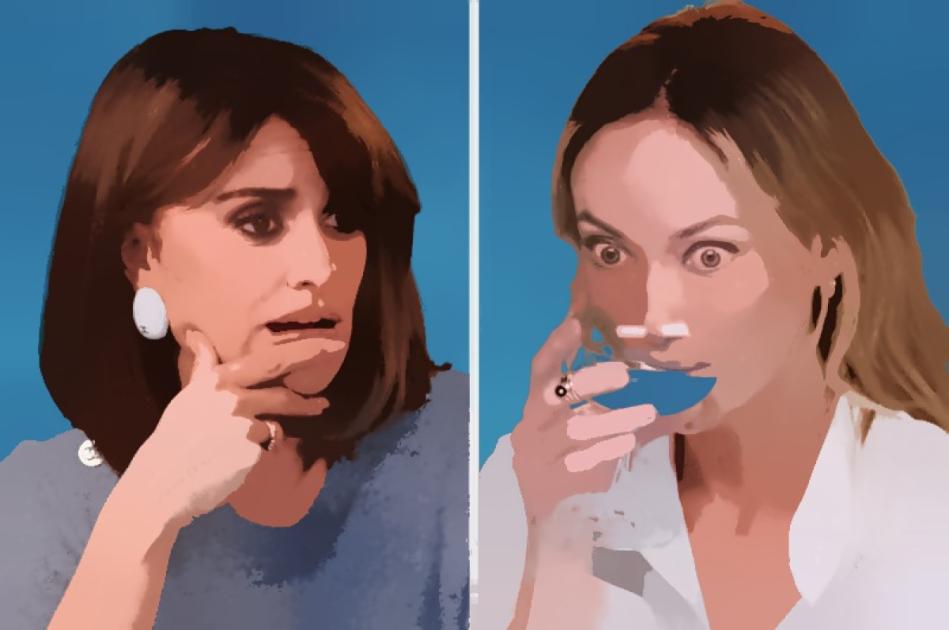
The Conversation That Has Women Everywhere Alarmed
When two of Hollywood's most recognizable faces start talking about something most of us have never heard of, people listen. That's exactly what happened when Penélope Cruz and Olivia Wilde recently opened up about their experiences with perimenopause . and specifically, a symptom that caught them completely off guard. The discussion has since exploded across social media, with countless women sharing their own stories and expressing shock that this particular symptom isn't more widely discussed.
The celebrity pair didn't hold back during their conversation. Both admitted they were familiar with the textbook symptoms . the hot flashes, the night sweats, the mood swings . but there was one aspect of the transition that nobody had prepared them for. "I knew about hot flashes and night sweats, but not this," Cruz reportedly said during the discussion, a sentiment that resonated with millions of women online who felt the exact same way when they first experienced it.
Why This Particular Symptom Is Being Called 'Terrifying'
Women across the internet have described themselves as "petrified" after learning about this lesser-known symptom, and it's easy to understand why. Unlike hot flashes, which are openly discussed in women's health circles, this particular aspect of perimenopause tends to fly under the radar until women are right in the thick of it. The lack of public conversation means most women enter this phase of life completely unprepared, leading to unnecessary fear and anxiety when symptoms actually appear.
Health experts suggest that the gap in education around perimenopause symptoms stems from a combination of cultural discomfort with discussing women's health openly and the fact that every woman's experience is different. "We hear so much about hot flashes, but there are dozens of other symptoms that can be just as disruptive to daily life," one gynecologist noted in response to the celebrity discussion. "The more women share their experiences, the better prepared the next generation will be."
What Women Are Saying Online
The reaction on social media has been overwhelming. Women are sharing stories of their own perimenopause experiences, many expressing relief that they're not alone in feeling blindsided by symptoms they never expected. "I thought I was losing my mind before I realized what was actually happening to my body," one woman wrote in a widely-shared post. "We need to talk about this more openly."
The conversation has also sparked debates about how women's health issues are researched, funded, and discussed in mainstream medicine. Many women feel that symptoms affecting half the population are still treated as taboo topics, leaving patients to discover crucial information through celebrity conversations rather than doctor visits. "If two famous actresses hadn't brought this up, I still wouldn't know what was happening to me," another commenter wrote.
Moving Forward: Breaking the Silence
Advocates for women's health are using this moment as a rallying cry. The viral discussion around Cruz and Wilde's conversation has highlighted an urgent need for better education about perimenopause . not just for women approaching this life stage, but for their partners, employers, and healthcare providers as well. Some experts are calling for perimenopause to be included in standard health education curricula, while others are pushing for more research funding into women's health issues that have historically been overlooked.
For now, many women are simply grateful that the conversation is happening at all. Whether it was sparked by celebrity candor or not, the fact that perimenopause symptoms are finally getting the public attention they deserve represents a step forward for women's health awareness. As one Twitter user put it: "Thank you, Penélope and Olivia, for saying what millions of us have been too embarrassed to say ourselves."