 CELEB
CELEB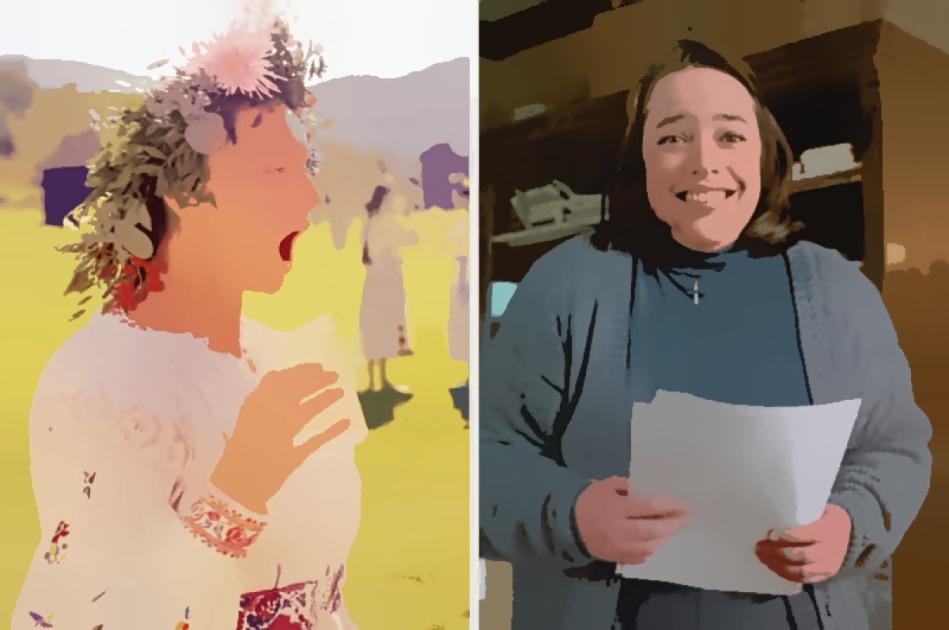
The Movies That Refused to Let Viewers Sleep
Some films are designed to make you jump. Others are engineered to burrow into your subconscious and take up permanent residence there. The latter category is far rarer. and far more unsettling. We're diving into the horror movies that didn't just scare audiences in the moment; they left lasting impressions that had viewers checking their closet lights and sleeping with one eye open for weeks afterward.
What separates these films from standard horror fare? It's not just gore or cheap jump scares. The most terrifying movies create an atmosphere of dread that lingers long after the credits roll. They make the familiar feel foreign, the safe feel threatening, and the mundane feel sinister.
Classics That Defined a Generation of Nightmares
When "The Exorcist" premiered in 1973, it reportedly caused fainting spells and walkouts in theaters across America. Director William Friedkin took a deliberately slow-burn approach, building tension through repetition and suggestion rather than relying on visual shock. The result? A film that felt uncomfortably real, as if the horror could happen in your own home.
Stanley Kubrick's "The Shining" took a different approach to terror. Rather than supernatural thrills, it delivered psychological dread through Jack Nicholson's increasingly unhinged performance and the claustrophobic isolation of the Overlook Hotel. The famous "Here's Johnny!" scene became iconic not just for its violence, but for the genuine sense of madness it conveyed.
Wes Craven's "A Nightmare on Elm Street" introduced a villain who could attack you in your sleep. the one place you're supposed to feel safe. By making the bedroom a battleground, Craven tapped into a primal fear that resonated deeply with audiences, particularly teenagers who already had plenty to worry about.
Modern Masters of Psychological Horror
The 2010s and 2020s saw a renaissance in horror that prioritized psychological disturbance over traditional monster-based scares. Jordan Peele's "Get Out" proved that horror could be both terrifying and intellectually stimulating, using supernatural elements as a metaphor for racial tension in America. The film sparked countless conversations and became a cultural phenomenon.
Ari Aster's "Hereditary" took the slow-burn approach to new extremes, delivering one of the most devastating third acts in modern horror. Toni Collette's performance as a mother descending into grief-fueled madness earned her critical acclaim and left audiences physically ill. Reports emerged of viewers leaving screenings early. not from boredom, but from genuine discomfort.
"Midsommar" flipped the horror formula by setting its nightmare fuel in broad daylight. The flower-petal sunshine of a Swedish commune masked increasingly disturbing pagan rituals, creating cognitive dissonance that audiences found deeply unsettling.
Why Some Films Haunt Us While Others Fade
The most memorable horror films share certain characteristics that elevate them beyond simple scare machines. First, they ground their terror in relatable emotions. whether it's grief, isolation, or the breakdown of family bonds. "Hereditary" works because it's fundamentally about losing a child; the supernatural elements amplify rather than replace that emotional core.
Second, these films often feature memorable imagery that sears itself into memory. The face-spinning scene in "The Exorcist," the twin girls in the hallway from "The Shining," the opening of "Psycho". these images become cultural shorthand for horror itself.
Finally, the best terrifying films respect their audience's intelligence. They don't explain everything or tie up every loose end. That ambiguity. what you don't see can be far scarier than what you do. keeps viewers analyzing and second-guessing long after they've left the theater.
The Lasting Impact of Being Truly Scared
There's something almost masochistic about seeking out films that we know will disturb us. Yet horror remains one of cinema's most popular genres, and the films on this list prove why. When horror works. when it genuinely unsettles rather than simply entertains. it creates a shared experience that bonds audiences together.
These movies remind us that cinema can still surprise, still shock, still make us feel something beyond passive entertainment. In an age of endless content and franchise fatigue, there's something refreshingly bold about a film that actually wants to scare you into sleepless nights.
So the next time someone suggests a horror movie night, maybe start with one of these. Just don't blame us if you sleep with the lights on for a while.
The Technical Elements That Amplify the Fear
Beyond story and performances, the most effective terrifying films often employ deliberate technical choices. Sound design plays a crucial role. silence can be more unsettling than any scream, and the strategic placement of audio cues creates anticipation that makes eventual payoffs more impactful. Think about how the absence of sound in certain "A Quiet Place" moments made audiences acutely aware of every breath they were taking.
Cinematography also contributes significantly to unease. Long takes, unusual angles, and the strategic use of negative space can make viewers feel like they're witnessing something they shouldn't be. "The Shining" famously uses a steadicam to glide through the Overlook's corridors, making viewers feel like they're being followed by something unseen.
Practical effects, too, add an authenticity that CGI sometimes lacks. When audiences sense that something physically exists in the space with an actor. rather than being digitally inserted. the fear feels more immediate and visceral. This tactile quality explains why films like "The Thing" and "Evil Dead" continue to unsettle viewers decades after their releases.
What Makes a Horror Film Truly Unforgettable
The films that stay with us longest often share an ineffable quality. a sense that they tapped into something deeper than simple entertainment. They become part of our cultural vocabulary, referenced and parodied but never quite matched in their original impact.
Whether through groundbreaking special effects, unforgettable performances, or themes that resonate far beyond the horror genre, these films proved that cinema could still deliver genuine emotional experiences. They didn't just scare audiences; they challenged them, made them uncomfortable, and left them changed.
That's the real power of horror. not in making viewers jump, but in making them think. And sometimes, in making them very, very glad that their hotel room doesn't have Room 237 waiting for them.