 CELEB
CELEB
A Shocking Confession from Hollywood's Favorite Sheldon
Jim Parsons, the Emmy-winning actor who brought the iconic character Sheldon Cooper to life on "The Big Bang Theory" for twelve glorious seasons, is opening up about a dark reality hidden behind the show's massive success. In a candid conversation on the "All Out with Jon Dean" podcast, the actor admitted that the very years when his career reached its zenith were also some of the most miserable of his life.
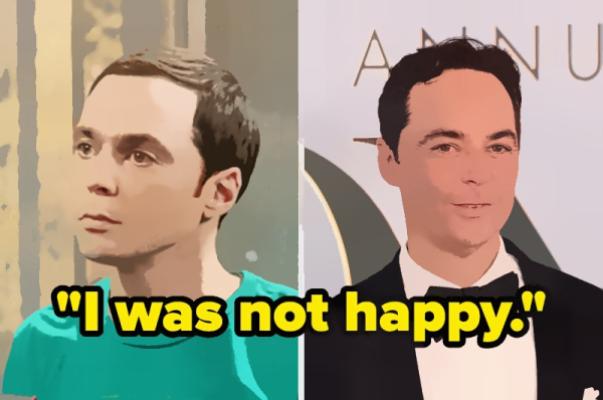
The irony isn't lost on Parsons, who confessed that he looks back now and realizes how deeply unhappy he was during the show's peak popularity years. "I look back now and realize that there were many ways, at some of the best moments of my life, I was miserable," he shared. "I was not happy. I was stressed." These words from a man who seemingly had it all. fame, fortune, and critical acclaim. paint a sobering picture of the price that celebrity can exact.
The Weight of Success and the Cost of Stardom
What makes Parsons' admission particularly striking is his insight into the psychological toll of sustained success. The actor described feeling as though he had countless plates spinning in the air, constantly afraid that everything would come crashing down if he slowed down even slightly. He revealed that he believed his achievements were only possible through relentless overworking and rigid discipline.
"I felt that there was so many plates I was supposed to be keeping in the air and that the success and the good things of life that were happening were only due to this overworking discipline and whatever," Parsons explained. While acknowledging that this mindset might have been partially accurate, he admitted uncertainty about whether it was truly necessary or simply a destructive pattern he couldn't break.
Would He Do It All Again? The Answer Is a Resounding No
Perhaps the most revealing part of Parsons' interview was his response when asked if he would relive those peak years. The actor's answer was swift and unequivocal: he wouldn't return to that period "for any amount of money." This declaration from someone who earned millions per episode serving one of television's most beloved characters underscores how deeply the experience affected him.
The show, which aired from 2007 to 2019, transformed Parsons into a household name and earned him multiple Emmy Awards. Yet the very success that brought him wealth and recognition also appears to have extracted a significant personal toll that lingers to this day.
A Lesson in Prioritizing Mental Health Over Fame
Parsons' confession serves as a powerful reminder that external achievements don't guarantee internal happiness. His willingness to speak openly about struggling during his most successful years offers a rare glimpse into the often-hidden struggles faced by entertainers who seem to have perfect lives from the outside.
The actor's reflections suggest that the entertainment industry's relentless pace and pressure can create a toxic cycle where success becomes its own prison. For Parsons, the lesson learned is clear: no amount of professional achievement is worth sacrificing one's mental and emotional well-being. His honesty may just inspire others in high-pressure careers to reassess their own relationships with success and self-care.