 CELEB
CELEB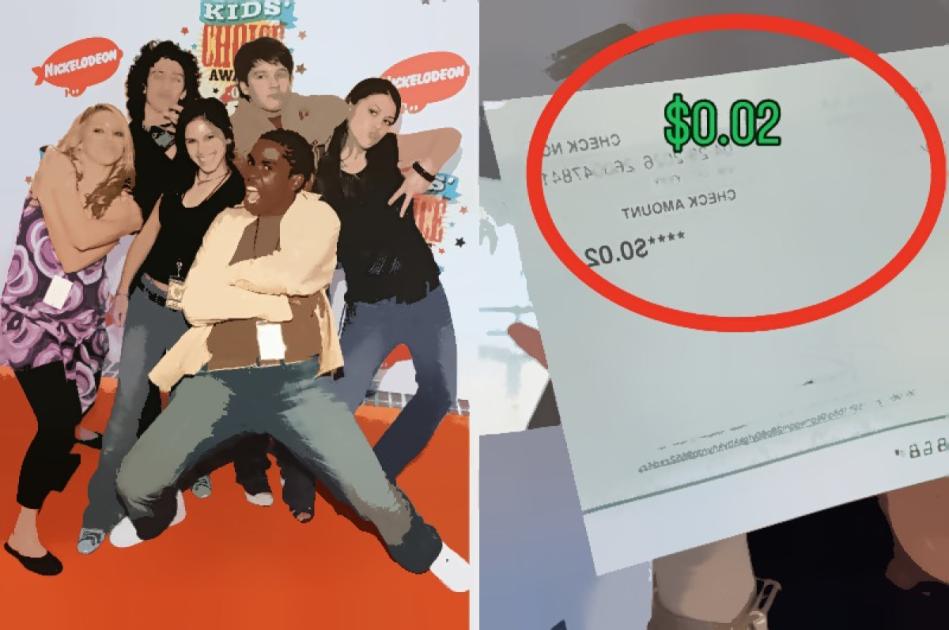
The Reality of Hollywood Residuals
Being a child star might seem glamorous on the surface, but the financial aftermath can be surprisingly bleak. A former cast member from the beloved Nickelodeon series "Ned's Declassified School Survival Guide" has spoken out about the harsh reality of residual payments, revealing that her checks from the show are so small they can't even cover a Starbucks coffee. The actress, who played a memorable role during the show's run from 2004 to 2007, shared her frustration with fans, highlighting a problem that affects many actors from children's television shows.
Breaking Down the Numbers
Residuals are payments actors receive when their work is rebroadcast, streamed, or sold on home video. For major network shows, these can add up to substantial sums over time. However, for children's programming on cable networks like Nickelodeon, the formula used to calculate residuals often results in payments that are laughably small. Industry experts explain that the calculation methods haven't kept pace with how people consume media today, leaving many actors from older shows earning mere pennies per episode when their shows air on streaming platforms.
A Larger Industry Problem
This revelation shines a light on a systemic issue within the entertainment industry. While studios continue to profit from licensing and streaming older content, the performers who brought those shows to life often see minimal compensation. SAG-AFTRA has been fighting for better residual structures, particularly as streaming has become the dominant form of content consumption. The union has argued that actors deserve a fairer share of the profits generated by their work, especially as shows find new audiences years after their original broadcast.
Fan Reactions and Support
Social media erupted with support for the actress after her comments went viral. Many fans expressed shock at how little child actors were paid both during production and in residuals. Others shared similar stories from their favorite childhood shows, creating a broader conversation about fairness in entertainment compensation. Several fans launched fundraising efforts and encouraged others to support the actors directly through platforms that allow for direct fan support.
What This Means for the Industry
The conversation sparked by this star's comments may push for meaningful change. Industry observers note that as more former child stars speak out about their experiences, there's growing pressure on studios and streaming services to revisit compensation models. While change won't happen overnight, the visibility of this issue could lead to better deals for future performers and potentially retroactive improvements for those already affected.