 CELEB
CELEB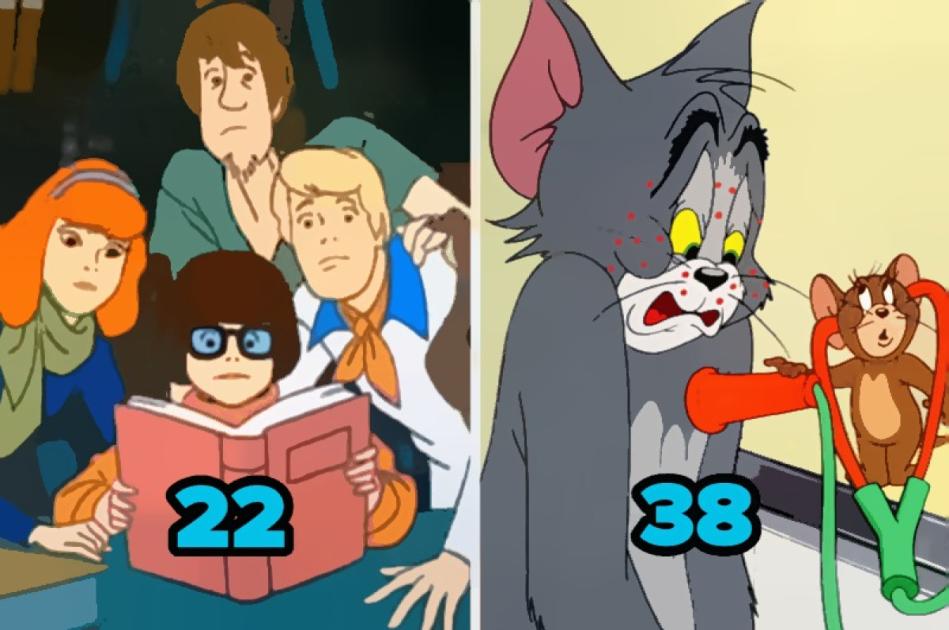
The Saturday Morning Ritual That Defined Generations
Before streaming services and on-demand entertainment, there was nothing quite like waking up early on a Saturday morning, pouring a bowl of cereal, and plopping down in front of the TV for a few glorious hours of animated programming. This weekly ritual shaped the childhoods of millions and created cultural touchstones that still resonate today. The cartoons you gravitated toward during those impressionable years can actually pinpoint your age with surprising accuracy. and we're not just talking a rough estimate. The patterns are remarkably specific.
The 1980s: Action Figures Came to Life
If your Saturday mornings were dominated by muscular heroes like He-Man, the heroic exploits of G.I. Joe, or the automotive transformations of the Transformers, you're almost certainly a child of the 1980s. This era was defined by cartoons that existed primarily to sell toys, but that commercial purpose didn't diminish their cultural impact. Thundercats, She-Ra, and later the Teenage Mutant Ninja Turtles kept kids glued to their screens. The action-adventure format, complete with catchphrases and cliffhanger endings, created an addictive viewing experience that parents often struggled to understand.
The 1990s: Animation Gets Clever
The 1990s marked a dramatic shift in Saturday morning programming. Shows like Animaniacs and Tiny Toon Adventures brought a self-aware humor that appealed to both children and the parents watching alongside them. Meanwhile, Nickelodeon's rise with Rugrats and later SpongeBob SquarePants fundamentally changed what kids' programming could be. The era also saw the explosive popularity of Pokémon and the original Power Rangers, both of which created genuine cultural phenomena that extended far beyond Saturday mornings into toys, games, and movies.
Why Your Cartoons Reveal Your Age
The connection between cartoon preferences and age isn't arbitrary. it's tied to specific historical moments in television. Networks like ABC, NBC, and CBS dominated Saturday mornings until cable channels like Nickelodeon and later Fox Kids began competing aggressively in the 1990s. The shows that aired during your formative years were influenced by the cultural climate, animation technology, and parental regulations of that particular decade. That's why someone who watched the original Scooby-Doo has such different reference points than someone who grew up with SpongeBob, even though both are beloved animated classics.
The Nostalgia Factor
What makes these generational differences so fascinating is the genuine emotional connection people retain to their childhood programming. Fans of 1980s cartoons often speak wistfully about the sense of adventure in those shows, while 1990s kids remember the clever writing and memorable characters. This nostalgia has become big business, with streaming services rushing to add classic cartoons to their libraries and reunions of original voice actors generating significant interest. The cartoons you watched on Saturday mornings aren't just entertainment history. they're a window into who you are.