 CELEB
CELEB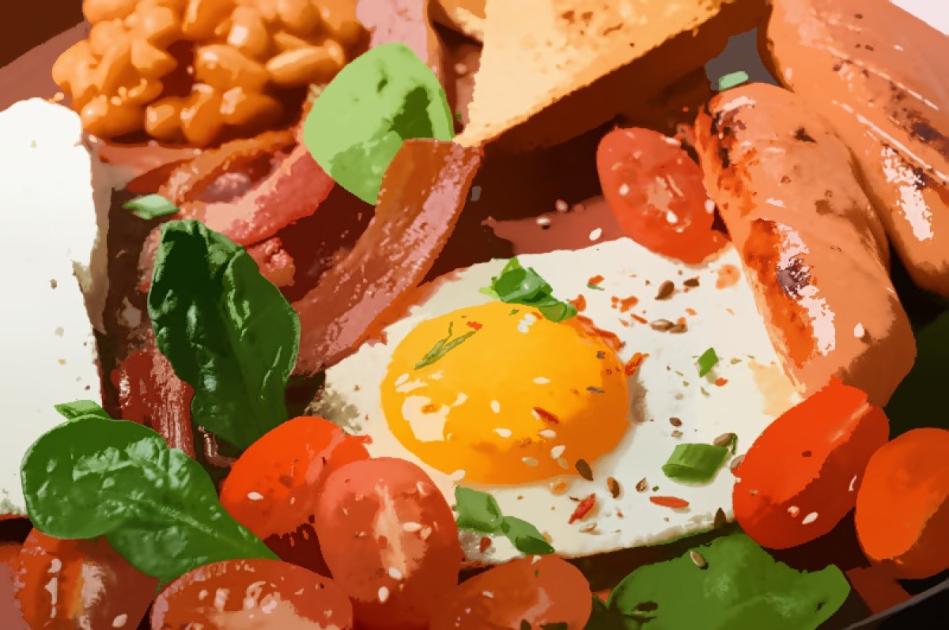
Why Breakfast Matters More Than You Think
Let's be honest. mornings are rough. Between hitting snooze five times and scrambling to find matching socks, figuring out what to eat often falls to the bottom of the priority list. But here's the thing: breakfast isn't just another meal; it's your body's first real fuel after hours of fasting overnight. Nutritionists and health experts consistently point out that a solid morning meal sets the tone for your entire day, affecting energy levels, concentration, and even mood stability.
Skipping breakfast might seem like a time-saver, but it often leads to overeating later or making poorer food choices when hunger strikes mid-afternoon. The key isn't necessarily eating breakfast for the sake of it. it's about choosing the RIGHT breakfast that actually nourishes your body.
Building the Perfect Morning Plate
So what actually constitutes a good breakfast? Registered dietitians recommend aiming for a balance of protein, healthy fats, and complex carbohydrates. This combination keeps blood sugar stable and provides sustained energy rather than that dreaded mid-morning crash.
Think along the lines of eggs paired with whole grain toast and avocado, or Greek yogurt topped with berries and a sprinkle of nuts. Oatmeal with banana and a drizzle of honey works beautifully too. The goal is fiber and protein to keep you satisfied, not sugary cereals or pastries that spike your blood sugar and leave you hungry an hour later.
Common Breakfast Mistakes to Avoid
Many people unknowingly sabotage their mornings with a few classic blunders. First, there's the protein imbalance. eating too much refined carbs (bagels, muffins, sugary cereals) without adequate protein. Second, drinking your calories through fancy coffee drinks loaded with syrup and cream adds up fast without providing real sustenance.
Another pitfall? Eating too little. A handful of granola isn't breakfast; it's a snack. Your morning meal should genuinely fill you up and provide meaningful nutrition. Even if you're watching your weight, cutting calories drastically at breakfast often backfires by increasing cravings later in the day.
Quick Breakfast Ideas for Busy Schedules
No time? No problem. Preparation is your best friend when mornings feel chaotic. Overnight oats prepared in jars. combine oats, milk, yogurt, and fruit in a container the night before. require zero morning effort. Hard-boiled eggs made in batches at the start of the week provide grab-and-go protein.
Smoothies are another lifesaver, but watch the ingredients. Blend leafy greens, a banana, protein powder or nut butter, and milk for a portable meal that actually fills you up. Avoid pre-made smoothie bowls loaded with added sugars and stick to whole foods whenever possible.
The Bottom Line on Morning Nutrition
At the end of the day, the best breakfast is one you'll actually eat. one that fits your lifestyle, tastes good, and keeps you powered until your next meal. There's no single perfect option that works for everyone. Listen to your body, prioritize whole foods over processed ones, and don't stress perfection. A consistent, balanced morning meal beats an elaborate one you skip entirely every single time.
![Match Iconic Sitcom Catchphrases to Their Shows [Quiz]](https://www.celebnetworths.com/storage/2026/07/conversions/fd93538c0667bb81afa08bfefb4d44b3-thumb.jpg)