 CELEB
CELEB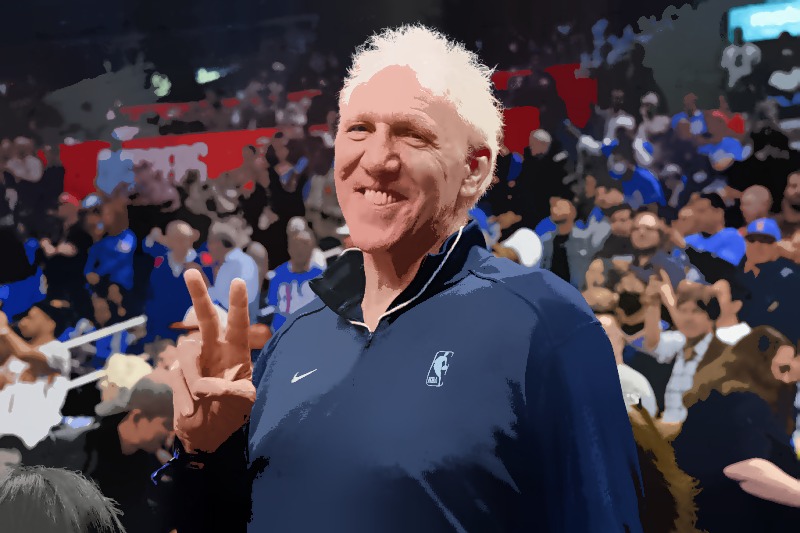
About Bill Walton Net Worth 2024: NBA Legend's Life & Legacy
Early Life and Background
William Theodore Walton III entered this world on November 5, 1952, in La Mesa, California, where he would grow up as part of a large family with four siblings. the-odyssey-and-spider-man" class="auto-interlink" rel="nofollow">the-odyssey-and-spider-man" class="auto-interlink" rel="nofollow">the-odyssey-and-spider-man" class="auto-interlink" rel="nofollow">the-odyssey-and-spider-man" class="auto-interlink" rel="nofollow">the-odyssey-and-spider-man" class="auto-interlink" rel="nofollow">the-odyssey-and-spider-man" class="auto-interlink" rel="nofollow">the-odyssey-and-spider-man" class="auto-interlink" rel="nofollow">the-odyssey-and-spider-man" class="auto-interlink" rel="nofollow">the-odyssey-and-spider-man" class="auto-interlink" rel="nofollow">the-odyssey-and-spider-man" class="auto-interlink" rel="nofollow">the-odyssey-and-spider-man" class="auto-interlink" rel="nofollow">the-odyssey-and-spider-man" class="auto-interlink" rel="nofollow">the-odyssey-and-spider-man" class="auto-interlink" rel="nofollow">the-odyssey-and-spider-man" class="auto-interlink" rel="nofollow">the-odyssey-and-spider-man" class="auto-interlink" rel="nofollow">the-odyssey-and-spider-man" class="auto-interlink" rel="nofollow">the-odyssey-and-spider-man" class="auto-interlink" rel="nofollow">the-odyssey-and-spider-man" class="auto-interlink" rel="nofollow">the-odyssey-and-spider-man" class="auto-interlink" rel="nofollow">the-odyssey-and-spider-man" class="auto-interlink" rel="nofollow">the-odyssey-and-spider-man" class="auto-interlink" rel="nofollow">the-odyssey-and-spider-man" class="auto-interlink" rel="nofollow">the-odyssey-and-spider-man" class="auto-interlink" rel="nofollow">the-odyssey-and-spider-man" class="auto-interlink" rel="nofollow">the-odyssey-and-spider-man" class="auto-interlink" rel="nofollow">the-odyssey-and-spider-man" class="auto-interlink" rel="nofollow">the-odyssey-and-spider-man" class="auto-interlink" rel="nofollow">the-odyssey-and-spider-man" class="auto-interlink" rel="nofollow">the-odyssey-and-spider-man" class="auto-interlink" rel="nofollow">the-odyssey-and-spider-man" class="auto-interlink" rel="nofollow">the-odyssey-and-spider-man" class="auto-interlink" rel="nofollow">the-odyssey-and-spider-man" class="auto-interlink" rel="nofollow">the-odyssey-and-spider-man" class="auto-interlink" rel="nofollow">the-odyssey-and-spider-man" class="auto-interlink" rel="nofollow">the-odyssey-and-spider-man" class="auto-interlink" rel="nofollow">the-odyssey-and-spider-man" class="auto-interlink" rel="nofollow">the-odyssey-and-spider-man" class="auto-interlink" rel="nofollow">the-odyssey-and-spider-man" class="auto-interlink" rel="nofollow">the-odyssey-and-spider-man" class="auto-interlink" rel="nofollow">the-odyssey-and-spider-man" class="auto-interlink" rel="nofollow">the-odyssey-and-spider-man" class="auto-interlink" rel="nofollow">the-odyssey-and-spider-man" class="auto-interlink" rel="nofollow">the-odyssey-and-spider-man" class="auto-interlink" rel="nofollow">the-odyssey-and-spider-man" class="auto-interlink" rel="nofollow">the-odyssey-and-spider-man" class="auto-interlink" rel="nofollow">the-odyssey-and-spider-man" class="auto-interlink" rel="nofollow">the-odyssey-and-spider-man" class="auto-interlink" rel="nofollow">the-odyssey-and-spider-man" class="auto-interlink" rel="nofollow">the-odyssey-and-spider-man" class="auto-interlink" rel="nofollow">the-odyssey-and-spider-man" class="auto-interlink" rel="nofollow">the-odyssey-and-spider-man" class="auto-interlink" rel="nofollow">the-odyssey-and-spider-man" class="auto-interlink" rel="nofollow">the-odyssey-and-spider-man" class="auto-interlink" rel="nofollow">the-odyssey-and-spider-man" class="auto-interlink" rel="nofollow">the-odyssey-and-spider-man" class="auto-interlink" rel="nofollow">the-odyssey-and-spider-man" class="auto-interlink" rel="nofollow">the-odyssey-and-spider-man" class="auto-interlink" rel="nofollow">the-odyssey-and-spider-man" class="auto-interlink" rel="nofollow">the-odyssey-and-spider-man" class="auto-interlink" rel="nofollow">the-odyssey-and-spider-man" class="auto-interlink" rel="nofollow">the-odyssey-and-spider-man" class="auto-interlink" rel="nofollow">the-odyssey-and-spider-man" class="auto-interlink" rel="nofollow">the-odyssey-and-spider-man" class="auto-interlink" rel="nofollow">From an early age, Walton faced significant challenges that would shape his character and determination. He struggled with a severe stutter that made communication difficult, and his shyness often left him feeling isolated the-odyssey-and-spider-man" class="auto-interlink" rel="nofollow">the-odyssey-and-spider-man" class="auto-interlink" rel="nofollow">the-odyssey-and-spider-man" class="auto-interlink" rel="nofollow">the-odyssey-and-spider-man" class="auto-interlink" rel="nofollow">the-odyssey-and-spider-man" class="auto-interlink" rel="nofollow">the-odyssey-and-spider-man" class="auto-interlink" rel="nofollow">the-odyssey-and-spider-man" class="auto-interlink" rel="nofollow">the-odyssey-and-spider-man" class="auto-interlink" rel="nofollow">the-odyssey-and-spider-man" class="auto-interlink" rel="nofollow">the-odyssey-and-spider-man" class="auto-interlink" rel="nofollow">the-odyssey-and-spider-man" class="auto-interlink" rel="nofollow">the-odyssey-and-spider-man" class="auto-interlink" rel="nofollow">the-odyssey-and-spider-man" class="auto-interlink" rel="nofollow">the-odyssey-and-spider-man" class="auto-interlink" rel="nofollow">the-odyssey-and-spider-man" class="auto-interlink" rel="nofollow">the-odyssey-and-spider-man" class="auto-interlink" rel="nofollow">the-odyssey-and-spider-man" class="auto-interlink" rel="nofollow">the-odyssey-and-spider-man" class="auto-interlink" rel="nofollow">the-odyssey-and-spider-man" class="auto-interlink" rel="nofollow">the-odyssey-and-spider-man" class="auto-interlink" rel="nofollow">the-odyssey-and-spider-man" class="auto-interlink" rel="nofollow">the-odyssey-and-spider-man" class="auto-interlink" rel="nofollow">the-odyssey-and-spider-man" class="auto-interlink" rel="nofollow">the-odyssey-and-spider-man" class="auto-interlink" rel="nofollow">the-odyssey-and-spider-man" class="auto-interlink" rel="nofollow">the-odyssey-and-spider-man" class="auto-interlink" rel="nofollow">the-odyssey-and-spider-man" class="auto-interlink" rel="nofollow">the-odyssey-and-spider-man" class="auto-interlink" rel="nofollow">the-odyssey-and-spider-man" class="auto-interlink" rel="nofollow">the-odyssey-and-spider-man" class="auto-interlink" rel="nofollow">the-odyssey-and-spider-man" class="auto-interlink" rel="nofollow">the-odyssey-and-spider-man" class="auto-interlink" rel="nofollow">the-odyssey-and-spider-man" class="auto-interlink" rel="nofollow">the-odyssey-and-spider-man" class="auto-interlink" rel="nofollow">the-odyssey-and-spider-man" class="auto-interlink" rel="nofollow">the-odyssey-and-spider-man" class="auto-interlink" rel="nofollow">the-odyssey-and-spider-man" class="auto-interlink" rel="nofollow">the-odyssey-and-spider-man" class="auto-interlink" rel="nofollow">the-odyssey-and-spider-man" class="auto-interlink" rel="nofollow">the-odyssey-and-spider-man" class="auto-interlink" rel="nofollow">the-odyssey-and-spider-man" class="auto-interlink" rel="nofollow">the-odyssey-and-spider-man" class="auto-interlink" rel="nofollow">the-odyssey-and-spider-man" class="auto-interlink" rel="nofollow">the-odyssey-and-spider-man" class="auto-interlink" rel="nofollow">the-odyssey-and-spider-man" class="auto-interlink" rel="nofollow">the-odyssey-and-spider-man" class="auto-interlink" rel="nofollow">the-odyssey-and-spider-man" class="auto-interlink" rel="nofollow">the-odyssey-and-spider-man" class="auto-interlink" rel="nofollow">the-odyssey-and-spider-man" class="auto-interlink" rel="nofollow">the-odyssey-and-spider-man" class="auto-interlink" rel="nofollow">the-odyssey-and-spider-man" class="auto-interlink" rel="nofollow">the-odyssey-and-spider-man" class="auto-interlink" rel="nofollow">the-odyssey-and-spider-man" class="auto-interlink" rel="nofollow">the-odyssey-and-spider-man" class="auto-interlink" rel="nofollow">the-odyssey-and-spider-man" class="auto-interlink" rel="nofollow">the-odyssey-and-spider-man" class="auto-interlink" rel="nofollow">the-odyssey-and-spider-man" class="auto-interlink" rel="nofollow">the-odyssey-and-spider-man" class="auto-interlink" rel="nofollow">the-odyssey-and-spider-man" class="auto-interlink" rel="nofollow">the-odyssey-and-spider-man" class="auto-interlink" rel="nofollow">the-odyssey-and-spider-man" class="auto-interlink" rel="nofollow">the-odyssey-and-spider-man" class="auto-interlink" rel="nofollow">the-odyssey-and-spider-man" class="auto-interlink" rel="nofollow">from his peers. Interestingly, his childhood wasn't solely focused on athletics. his parents enrolled him in music lessons, nurturing his creative side alongside his emerging athletic talents. It was his older brother Bruce who first introduced Bill to basketball, sparking a passion that would define his future. For young Walton, the basketball court became a sanctuary, offering an escape the-odyssey-and-spider-man" class="auto-interlink" rel="nofollow">the-odyssey-and-spider-man" class="auto-interlink" rel="nofollow">the-odyssey-and-spider-man" class="auto-interlink" rel="nofollow">the-odyssey-and-spider-man" class="auto-interlink" rel="nofollow">the-odyssey-and-spider-man" class="auto-interlink" rel="nofollow">the-odyssey-and-spider-man" class="auto-interlink" rel="nofollow">the-odyssey-and-spider-man" class="auto-interlink" rel="nofollow">the-odyssey-and-spider-man" class="auto-interlink" rel="nofollow">the-odyssey-and-spider-man" class="auto-interlink" rel="nofollow">the-odyssey-and-spider-man" class="auto-interlink" rel="nofollow">the-odyssey-and-spider-man" class="auto-interlink" rel="nofollow">the-odyssey-and-spider-man" class="auto-interlink" rel="nofollow">the-odyssey-and-spider-man" class="auto-interlink" rel="nofollow">the-odyssey-and-spider-man" class="auto-interlink" rel="nofollow">the-odyssey-and-spider-man" class="auto-interlink" rel="nofollow">the-odyssey-and-spider-man" class="auto-interlink" rel="nofollow">the-odyssey-and-spider-man" class="auto-interlink" rel="nofollow">the-odyssey-and-spider-man" class="auto-interlink" rel="nofollow">the-odyssey-and-spider-man" class="auto-interlink" rel="nofollow">the-odyssey-and-spider-man" class="auto-interlink" rel="nofollow">the-odyssey-and-spider-man" class="auto-interlink" rel="nofollow">the-odyssey-and-spider-man" class="auto-interlink" rel="nofollow">the-odyssey-and-spider-man" class="auto-interlink" rel="nofollow">the-odyssey-and-spider-man" class="auto-interlink" rel="nofollow">the-odyssey-and-spider-man" class="auto-interlink" rel="nofollow">the-odyssey-and-spider-man" class="auto-interlink" rel="nofollow">the-odyssey-and-spider-man" class="auto-interlink" rel="nofollow">the-odyssey-and-spider-man" class="auto-interlink" rel="nofollow">the-odyssey-and-spider-man" class="auto-interlink" rel="nofollow">the-odyssey-and-spider-man" class="auto-interlink" rel="nofollow">the-odyssey-and-spider-man" class="auto-interlink" rel="nofollow">the-odyssey-and-spider-man" class="auto-interlink" rel="nofollow">the-odyssey-and-spider-man" class="auto-interlink" rel="nofollow">the-odyssey-and-spider-man" class="auto-interlink" rel="nofollow">the-odyssey-and-spider-man" class="auto-interlink" rel="nofollow">the-odyssey-and-spider-man" class="auto-interlink" rel="nofollow">the-odyssey-and-spider-man" class="auto-interlink" rel="nofollow">the-odyssey-and-spider-man" class="auto-interlink" rel="nofollow">the-odyssey-and-spider-man" class="auto-interlink" rel="nofollow">the-odyssey-and-spider-man" class="auto-interlink" rel="nofollow">the-odyssey-and-spider-man" class="auto-interlink" rel="nofollow">the-odyssey-and-spider-man" class="auto-interlink" rel="nofollow">the-odyssey-and-spider-man" class="auto-interlink" rel="nofollow">the-odyssey-and-spider-man" class="auto-interlink" rel="nofollow">the-odyssey-and-spider-man" class="auto-interlink" rel="nofollow">the-odyssey-and-spider-man" class="auto-interlink" rel="nofollow">the-odyssey-and-spider-man" class="auto-interlink" rel="nofollow">the-odyssey-and-spider-man" class="auto-interlink" rel="nofollow">the-odyssey-and-spider-man" class="auto-interlink" rel="nofollow">the-odyssey-and-spider-man" class="auto-interlink" rel="nofollow">the-odyssey-and-spider-man" class="auto-interlink" rel="nofollow">the-odyssey-and-spider-man" class="auto-interlink" rel="nofollow">the-odyssey-and-spider-man" class="auto-interlink" rel="nofollow">the-odyssey-and-spider-man" class="auto-interlink" rel="nofollow">the-odyssey-and-spider-man" class="auto-interlink" rel="nofollow">the-odyssey-and-spider-man" class="auto-interlink" rel="nofollow">the-odyssey-and-spider-man" class="auto-interlink" rel="nofollow">the-odyssey-and-spider-man" class="auto-interlink" rel="nofollow">the-odyssey-and-spider-man" class="auto-interlink" rel="nofollow">the-odyssey-and-spider-man" class="auto-interlink" rel="nofollow">the-odyssey-and-spider-man" class="auto-interlink" rel="nofollow">the-odyssey-and-spider-man" class="auto-interlink" rel="nofollow">the-odyssey-and-spider-man" class="auto-interlink" rel="nofollow">from the social difficulties he experienced elsewhere.
Career and Breakthrough
Bill Walton's basketball journey began in earnest during his high school years, where he and his brother Bruce formed a formidable partnership on the court. However, even during these early years, a troubling pattern emerged. Walton's tendency toward injuries began manifesting, with several broken bones and a knee surgery punctuating his high school career. A dramatic growth spurt during his sophomore year added to his challenges, as he struggled to coordinate his newly elongated frame. Despite these obstacles, his exceptional talent couldn't be hidden, and he accepted a basketball scholarship to UCLA, choosing the Bruins over numerous other prestigious offers. In what many consider the greatest NCAA Championship game ever played, Walton delivered a legendary performance in 1973 against Memphis State, scoring 44 points on an remarkable 22 attempts. a record that still stands as the most points ever scored in an NCAA Championship game.
The Portland Trail Blazers selected Walton with the first overall pick in the 1974 NBA Draft, but his first two professional seasons were marred by chronic foot injuries and broken bones that limited his impact. Everything changed during the 1976-77 season when Jack Ramsay took over as head coach and led the Trail Blazers on an improbable championship run that nobody saw coming. Walton dominated the stat sheets, leading the team in rebounds and blocked shots per game, earning a spot in the All-Star Game (though an injury prevented his participation). In the NBA Finals against the Philadelphia 76ers, Walton delivered a championship-clinching performance in Game 6 with 20 points and 23 rebounds, earning the Finals MVP award. Though injuries continued to plague him. including playing with a broken foot during the 1978 Playoffs. his resilience never wavered.
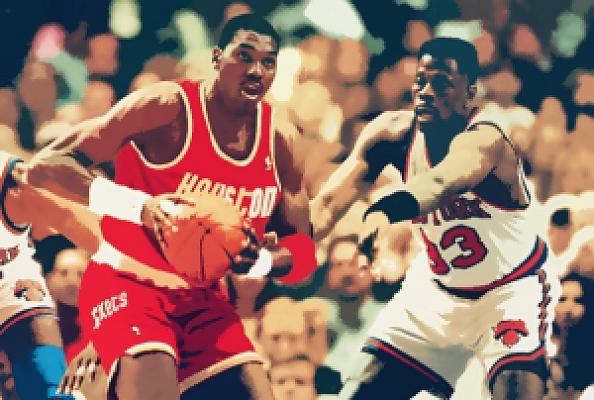
After demanding a trade from Portland due to unfair treatment of injured players, Walton spent six seasons with the San Diego Clippers, though his impact was limited by continued health problems during the early years. By the mid-1980s, he had rehabilitated his body enough to return to elite form. Joining the Boston Celtics for the 1985-86 season, Walton served primarily as a substitute but provided invaluable contributions to an already stacked roster. That year, the Celtics defeated the Houston Rockets to capture the NBA championship, giving Walton his second title ring. This championship marked the final chapter of his playing career, though he continued in a limited capacity for one more season before retiring.
Personal Life
Beyond the basketball court, Bill Walton's life was marked by remarkable personal transformations and relationships. He married Susan Guth in 1979, and together they built a family of four sons, including Luke Walton, who would go on to have his own successful NBA career as both a player and coach. This marriage lasted until 1989, and in 1991, Walton found love again with Lori Matsuoka. One of Walton's most significant personal achievements was overcoming his childhood stutter at the age of 28, a transformation made possible through the guidance and support of legendary broadcaster Marty Glickman. This breakthrough opened the door to his future career in sports media and gave him a voice that would reach millions of viewers.
Throughout his life, Walton faced numerous health challenges that extended far beyond his playing days. His injury problems became so severe that his ankles had to be surgically fused. Medical professionals later attributed many of his chronic pain issues to the extensive use of painkillers that had been prescribed by various doctors throughout his career. In 2009, Walton underwent a grueling 8-hour spinal fusion surgery that required titanium rods to be inserted into his back. Despite the surgery's success, he spent an entire year with severely restricted mobility during his recovery. These physical struggles made his achievements on the basketball court even more remarkable, demonstrating an extraordinary level of mental toughness and perseverance.
Net Worth and Income Sources
At the time of his passing in May 2024, Bill Walton had accumulated an estimated net worth of $20 million, a figure that reflected decades of earnings from multiple professional endeavors. During his NBA career spanning from 1974 to 1987, Walton earned approximately $3 million in total salary. equivalent to about $7.5 million in today's dollars when adjusted for inflation. His highest-earning season came in 1984-85 with the San Diego Clippers, when he commanded a salary of $1.35 million. During his three seasons with the Boston Celtics, he earned $425,000 per year. While these figures might seem modest by today's NBA standards, they represented substantial earnings during the era in which he played.
Following his retirement from professional basketball, Walton successfully transitioned into a prolific broadcasting career that became his primary income source for decades. He began his media career with CBS in the early 1990s before moving to NBC, where he worked until the early 2000s. Most notably, Walton became a fixture at ESPN, where he spent 19 years as a color commentator before departing in 2009 to treat a back injury. After recovering from spinal surgery, he returned to broadcasting on a more sporadic basis. His unique voice, memorable catchphrases, and philosophical approach to the game made him a beloved figure among basketball fans. In 2001, Walton received an Emmy Award recognizing his excellence in sports commentary. Beyond television, he hosted the popular satellite radio show "One More Saturday Night" and published his memoir "Back from the Dead: Searching for the Sound, Shining the Light and Throwing it Down," which achieved bestseller status on the New York Times list for two weeks following its release. Real estate investments, including a San Diego home purchased in 2010 for $3.2 million (now valued at $5-6 million), also contributed to his overall financial portfolio.
Wealth Breakdown
Estimated income distribution across primary sources
$3.0M
Career & Background
- Date of Birth
- November 5, 1952
- Birth Name
- William Theodore Walton III
- Nationality
- United States of America
- Career Started
- 1974
- Data Source
- Internet/Online