 CELEB
CELEB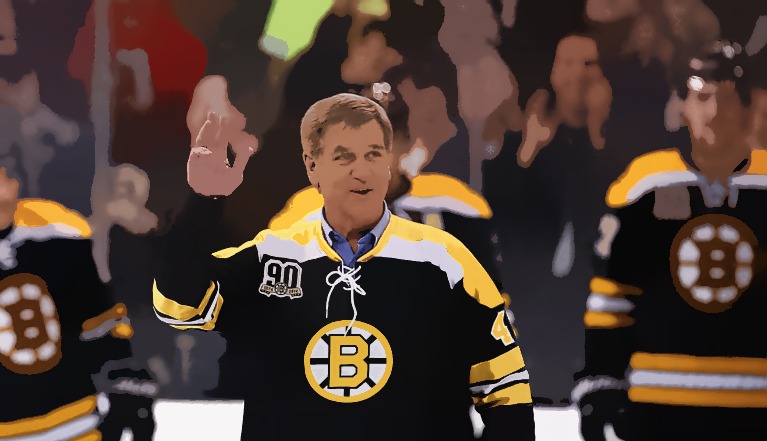
About Bobby Orr Net Worth 2024: NHL Career & Earnings
Early Life and Background
Robert Gordon Orr entered the world on March 20, 1948, in the picturesque town of Parry Sound, Ontario, Canada. Growing up as one of five siblings, young Bobby was immersed in a modest Canadian upbringing with parents Arva and Doug Orr, the latter having served in the Royal Canadian Navy during World War II. the-odyssey-and-spider-man" class="auto-interlink" rel="nofollow">the-odyssey-and-spider-man" class="auto-interlink" rel="nofollow">the-odyssey-and-spider-man" class="auto-interlink" rel="nofollow">the-odyssey-and-spider-man" class="auto-interlink" rel="nofollow">the-odyssey-and-spider-man" class="auto-interlink" rel="nofollow">the-odyssey-and-spider-man" class="auto-interlink" rel="nofollow">the-odyssey-and-spider-man" class="auto-interlink" rel="nofollow">the-odyssey-and-spider-man" class="auto-interlink" rel="nofollow">the-odyssey-and-spider-man" class="auto-interlink" rel="nofollow">the-odyssey-and-spider-man" class="auto-interlink" rel="nofollow">the-odyssey-and-spider-man" class="auto-interlink" rel="nofollow">the-odyssey-and-spider-man" class="auto-interlink" rel="nofollow">the-odyssey-and-spider-man" class="auto-interlink" rel="nofollow">the-odyssey-and-spider-man" class="auto-interlink" rel="nofollow">the-odyssey-and-spider-man" class="auto-interlink" rel="nofollow">the-odyssey-and-spider-man" class="auto-interlink" rel="nofollow">the-odyssey-and-spider-man" class="auto-interlink" rel="nofollow">the-odyssey-and-spider-man" class="auto-interlink" rel="nofollow">the-odyssey-and-spider-man" class="auto-interlink" rel="nofollow">the-odyssey-and-spider-man" class="auto-interlink" rel="nofollow">the-odyssey-and-spider-man" class="auto-interlink" rel="nofollow">the-odyssey-and-spider-man" class="auto-interlink" rel="nofollow">the-odyssey-and-spider-man" class="auto-interlink" rel="nofollow">the-odyssey-and-spider-man" class="auto-interlink" rel="nofollow">the-odyssey-and-spider-man" class="auto-interlink" rel="nofollow">the-odyssey-and-spider-man" class="auto-interlink" rel="nofollow">the-odyssey-and-spider-man" class="auto-interlink" rel="nofollow">the-odyssey-and-spider-man" class="auto-interlink" rel="nofollow">the-odyssey-and-spider-man" class="auto-interlink" rel="nofollow">the-odyssey-and-spider-man" class="auto-interlink" rel="nofollow">the-odyssey-and-spider-man" class="auto-interlink" rel="nofollow">the-odyssey-and-spider-man" class="auto-interlink" rel="nofollow">the-odyssey-and-spider-man" class="auto-interlink" rel="nofollow">the-odyssey-and-spider-man" class="auto-interlink" rel="nofollow">the-odyssey-and-spider-man" class="auto-interlink" rel="nofollow">the-odyssey-and-spider-man" class="auto-interlink" rel="nofollow">the-odyssey-and-spider-man" class="auto-interlink" rel="nofollow">the-odyssey-and-spider-man" class="auto-interlink" rel="nofollow">the-odyssey-and-spider-man" class="auto-interlink" rel="nofollow">From the moment he received his first pair of skates, hockey became the defining passion of his childhood. Remarkably, just one year after lacing up for the first time, the five-year-old Orr was already competing in organized hockey within the "minor squirt" division. His natural talent quickly became evident as he transitioned the-odyssey-and-spider-man" class="auto-interlink" rel="nofollow">the-odyssey-and-spider-man" class="auto-interlink" rel="nofollow">the-odyssey-and-spider-man" class="auto-interlink" rel="nofollow">the-odyssey-and-spider-man" class="auto-interlink" rel="nofollow">the-odyssey-and-spider-man" class="auto-interlink" rel="nofollow">the-odyssey-and-spider-man" class="auto-interlink" rel="nofollow">the-odyssey-and-spider-man" class="auto-interlink" rel="nofollow">the-odyssey-and-spider-man" class="auto-interlink" rel="nofollow">the-odyssey-and-spider-man" class="auto-interlink" rel="nofollow">the-odyssey-and-spider-man" class="auto-interlink" rel="nofollow">the-odyssey-and-spider-man" class="auto-interlink" rel="nofollow">the-odyssey-and-spider-man" class="auto-interlink" rel="nofollow">the-odyssey-and-spider-man" class="auto-interlink" rel="nofollow">the-odyssey-and-spider-man" class="auto-interlink" rel="nofollow">the-odyssey-and-spider-man" class="auto-interlink" rel="nofollow">the-odyssey-and-spider-man" class="auto-interlink" rel="nofollow">the-odyssey-and-spider-man" class="auto-interlink" rel="nofollow">the-odyssey-and-spider-man" class="auto-interlink" rel="nofollow">the-odyssey-and-spider-man" class="auto-interlink" rel="nofollow">the-odyssey-and-spider-man" class="auto-interlink" rel="nofollow">the-odyssey-and-spider-man" class="auto-interlink" rel="nofollow">the-odyssey-and-spider-man" class="auto-interlink" rel="nofollow">the-odyssey-and-spider-man" class="auto-interlink" rel="nofollow">the-odyssey-and-spider-man" class="auto-interlink" rel="nofollow">the-odyssey-and-spider-man" class="auto-interlink" rel="nofollow">the-odyssey-and-spider-man" class="auto-interlink" rel="nofollow">the-odyssey-and-spider-man" class="auto-interlink" rel="nofollow">the-odyssey-and-spider-man" class="auto-interlink" rel="nofollow">the-odyssey-and-spider-man" class="auto-interlink" rel="nofollow">the-odyssey-and-spider-man" class="auto-interlink" rel="nofollow">the-odyssey-and-spider-man" class="auto-interlink" rel="nofollow">the-odyssey-and-spider-man" class="auto-interlink" rel="nofollow">the-odyssey-and-spider-man" class="auto-interlink" rel="nofollow">the-odyssey-and-spider-man" class="auto-interlink" rel="nofollow">the-odyssey-and-spider-man" class="auto-interlink" rel="nofollow">the-odyssey-and-spider-man" class="auto-interlink" rel="nofollow">the-odyssey-and-spider-man" class="auto-interlink" rel="nofollow">the-odyssey-and-spider-man" class="auto-interlink" rel="nofollow">the-odyssey-and-spider-man" class="auto-interlink" rel="nofollow">from forward positions to defense, where he would ultimately revolutionize the sport.
During his teenage years, Orr's exceptional performances in Ontario provincial competitions caught the attention of NHL scouts. At age 14, he joined the Oshawa Generals, a junior hockey affiliate that would serve as the stepping stone to his professional career. While pursuing his education at R. S. McLaughlin High School, Bobby boarded with a local family in Oshawa and dedicated himself to improving his game. Year after year during his junior career, his goal and point totals climbed steadily, earning him consistent recognition on the OHA First-All Star team. When he turned 16, his father Doug negotiated with the Boston Bruins for better compensation, eventually securing a groundbreaking $25,000 signing bonus and a two-year contract that made Orr, at the time, the highest-paid rookie in league history. This negotiation brought Alan Eagleson into Orr's life. a lawyer who would develop a close relationship with the family.
Career and Breakthrough
Bobby Orr's professional debut came during the 1966-1967 season with the Boston Bruins, and he made an immediate impact. In his rookie campaign, he tallied 13 goals and 28 assists, capturing the Calder Memorial Trophy as the league's outstanding first-year player. Though injuries limited him to just 46 games in his second season, Orr still claimed the first of what would become a record eight consecutive Norris Trophies as the NHL's top defenseman. By the following year, despite continuing to battle physical setbacks, he had broken the single-season scoring record for blue-liners with 21 goals and 64 points. a testament to his extraordinary offensive abilities from the back end.
The 1969-1970 season marked the pinnacle of Orr's individual dominance. He amassed 120 points, nearly setting a league record, while winning the first of three consecutive Hart Trophies as league MVP. During that year's playoffs, he delivered a spectacular performance with nine goals and 11 assists, carrying the Bruins to their first Stanley Cup championship since 1941. The iconic moment came in May 1970 when Orr scored the Cup-winning goal and was famously photographed airborne in celebration. one of the most recognizable images in hockey history. The subsequent season saw Boston break numerous records as Orr finished second in league scoring with 139 points, setting a new standard for defensemen. In 1971, he signed the first million-dollar contract in NHL history, a five-year deal that reflected his transcendent value to the franchise.
Orr led the Bruins to another Stanley Cup victory in 1972, defeating the New York Rangers. By the 1973-1974 season, he had broken his own record for goals by a defenseman with an astonishing 46 tallies. However, his body began to betray him. The 1975-1976 season would be his last with Boston, as severe knee injuries forced his departure. Seeking to continue his career, Orr signed with the Chicago Black Hawks in 1976 on a five-year, $3 million contract. Though his knee remained problematic, he represented Team Canada in the 1976 Canada Cup tournament and was named tournament MVP. Nevertheless, chronic injuries limited him to just six games in 1978-1979 before he permanently hung up his skates. When he retired, Orr held the distinction of being the leading defenseman in goals, assists, and points, with career totals of 270 goals, 645 assists, and 915 points across 657 games. The Hockey Hall of Fame honored his legacy by waiving its standard three-year waiting period, inducting him in 1979 at just 31 years old. the youngest living player ever enshrined.
Personal Life
Beyond the rink, Bobby Orr built a fulfilling life centered around family and quiet pursuits. In 1973, he married Margaret Wood, a speech therapist, and together they raised two sons, Darren and Brent. The family legacy continues through his grandchildren, Alexis and Robert. Orr's upbringing instilled values that remained with him throughout his career. he was known among teammates and staff for maintaining a meticulously clean apartment and abstaining from drinking, smoking, and nightlife, a disciplined approach that complemented his rigorous training regimen. During his playing days in Boston, he lived with Bruins trainer and roommate John Forristall, forging a lasting friendship.
Throughout his post-playing career, Orr has maintained meaningful connections to the sport that defined his life. He served briefly as an assistant coach for the Chicago Black Hawks and worked as a consultant for the Hartford Whalers. In the business realm, he partnered with Paul Shanley and Tom Kelly to establish Can-Am Enterprises, eventually transitioning into player representation. In 1996, he purchased the Woolf Associates agency and, alongside Rick Curran and Paul Krepelka, rebranded it as the Orr Hockey Group. His 2013 autobiography, "Orr: My Story," achieved commercial success by debuting in the top ten on The New York Times nonfiction bestsellers list. Among his personal passions, fishing holds a special place. a hobby he has enjoyed since childhood. He continues to participate in ceremonial first puck drops for the Bruins, maintaining his connection to the Boston community that embraced him as one of hockey's greatest icons.
Net Worth and Income Sources
Bobby Orr's estimated net worth stands at approximately $5 million. While this figure may seem modest for an athlete of his stature, it reflects significant financial challenges he faced during his post-playing years. Reportedly, Orr was swindled by a former agent, leading to substantial debt and near-bankruptcy. Despite these setbacks, he rebuilt his financial standing through various ventures. His income has been derived from multiple sources including his NHL playing career. most notably the groundbreaking $1 million contract he signed with Boston in 1971 and the $3 million deal with Chicago in 1976. Post-retirement income has come from his role as a hockey agent through Orr Hockey Group, corporate sponsorships, public appearances, his autobiography sales, and various hockey-related consulting work. His enduring marketability as one of hockey's all-time greats continues to generate opportunities in endorsement deals and speaking engagements.
Wealth Breakdown
Estimated income distribution across primary sources
Career & Background
- Date of Birth
- March 20, 1948
- Birth Name
- Robert Gordon Orr
- Nationality
- Canada
- Career Started
- 1966
- Data Source
- Internet/Online