 CELEB
CELEB
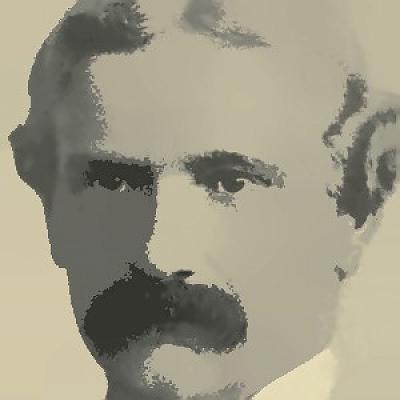
About Hamo Thornycroft Net Worth, Biography & Legacy | Guide
Early Life and Background
Hamo Thornycroft was born in England around 1850 into what can only be described as one of Britain's most accomplished artistic families. The Thornycroft name was already well-established in the world of sculpture when Hamo entered the scene, with both his father Thomas Thornycroft and grandfather John Francis having earned significant recognition for their own sculptural works. His mother Mary also contributed to this creative household, ensuring that young Hamo was immersed in artistic pursuits from the very beginning. Growing up surrounded by clay, tools, and the rigorous discipline of sculptural craftsmanship, he developed an early appreciation for the craft that would define his life's work. The artistic environment of his childhood provided the perfect foundation for the remarkable career that would follow.
Rather than pursuing a completely different path, Hamo embraced the family legacy and dedicated himself to mastering the art of sculpture. His Pisces zodiac sign, falling between February 19 and March 20, may have contributed to his sensitive artistic temperament and ability to capture emotional depth in his works. This combination of innate talent and cultivated skill would soon set him apart in the competitive British art world of the late Victorian era.
Career and Breakthrough
Thornycroft's formal artistic education took him to the prestigious Royal Academy of Arts in London, where he had the privilege of studying under the renowned painter-sculptor Frederic Leighton. This mentorship proved instrumental in shaping his technical abilities and artistic vision. Under Leighton's guidance, he refined his skills in marble carving, bronze casting, and the delicate art of capturing human emotion in静态 form. The rigorous training at the Academy provided him with the tools necessary to compete among the finest sculptors of his generation.
His career reached its peak during the artistic movement known as the New Sculpture, which emerged in late Victorian Britain. This movement emphasized greater realism, emotional expression, and technical innovation compared to the more rigid classical styles that had dominated previous decades. Thornycroft quickly established himself as one of the leading figures of this movement, earning commissions and recognition from some of the most prestigious institutions in the country. His work helped define what would become one of the most significant periods in British sculptural history.
Among Thornycroft's most notable achievements was his creation of the statue of Oliver Cromwell, which stands proudly near the Palace of Westminster. This monumental work demonstrates his ability to capture historical figures with both accuracy and artistic flair. The statue has become one of London's recognizable landmarks, drawing the attention of visitors and historians alike who appreciate how Thornycroft brought this controversial historical figure to life in bronze. His work on this statue established his reputation as a sculptor capable of handling significant public commissions with skill and sensitivity.
Personal Life
Hamo Thornycroft maintained strong connections to his family's artistic heritage throughout his life. The Thornycroft household was a hub of creative activity, with multiple generations contributing to the family's distinguished reputation in British art. This multigenerational artistic legacy is relatively rare in the art world and speaks to both the family's talent and their commitment to passing down skills and traditions. His father's success as a sculptor undoubtedly influenced Hamo's career path and provided him with valuable insights into the business and artistic aspects of the profession.
Thornycroft passed away on December 18, 1925, at the age of 75, leaving behind a body of work that continues to influence and inspire. His contributions to British sculpture have endured for nearly a century since his death, with his works remaining prominent features of London's architectural landscape. The fact that his creations have stood the test of time speaks to the lasting quality of his artistic vision and technical execution.
Net Worth and Income Sources
As a prominent sculptor working during the late Victorian and Edwardian eras, Hamo Thornycroft earned his living through commissioned works, exhibition sales, and his position within the British art establishment. Public monuments, private sculptures, and participation in major exhibitions provided the primary income for artists of his caliber. However, precise financial details regarding his estate or accumulated wealth are not readily available in historical records. Historical figures from this period rarely have reliable net worth estimates, as documentation of personal finances was not typically made public in the same manner as modern celebrity finances.
Career & Background
- Nationality
- United Kingdom