 CELEB
CELEB
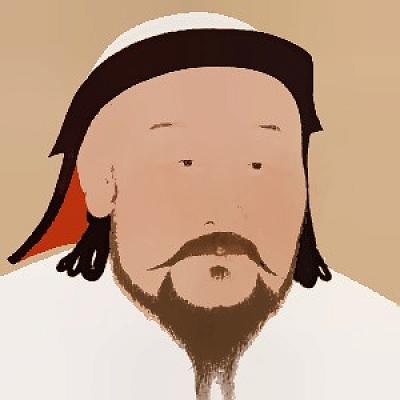
About Kublai Khan Net Worth: The Mongol Emperor of the Yuan Dynasty
Early Life and Background
Kublai Khan was born on September 23, 1215, in the vast steppes of Mongolia during a period of unprecedented Mongol expansion. As the grandson of the legendary Genghis Khan and son of Tolui Khan, he was destined for greatness the-odyssey-and-spider-man" class="auto-interlink" rel="nofollow">the-odyssey-and-spider-man" class="auto-interlink" rel="nofollow">the-odyssey-and-spider-man" class="auto-interlink" rel="nofollow">the-odyssey-and-spider-man" class="auto-interlink" rel="nofollow">the-odyssey-and-spider-man" class="auto-interlink" rel="nofollow">the-odyssey-and-spider-man" class="auto-interlink" rel="nofollow">the-odyssey-and-spider-man" class="auto-interlink" rel="nofollow">the-odyssey-and-spider-man" class="auto-interlink" rel="nofollow">the-odyssey-and-spider-man" class="auto-interlink" rel="nofollow">the-odyssey-and-spider-man" class="auto-interlink" rel="nofollow">the-odyssey-and-spider-man" class="auto-interlink" rel="nofollow">the-odyssey-and-spider-man" class="auto-interlink" rel="nofollow">the-odyssey-and-spider-man" class="auto-interlink" rel="nofollow">the-odyssey-and-spider-man" class="auto-interlink" rel="nofollow">the-odyssey-and-spider-man" class="auto-interlink" rel="nofollow">the-odyssey-and-spider-man" class="auto-interlink" rel="nofollow">the-odyssey-and-spider-man" class="auto-interlink" rel="nofollow">the-odyssey-and-spider-man" class="auto-interlink" rel="nofollow">the-odyssey-and-spider-man" class="auto-interlink" rel="nofollow">the-odyssey-and-spider-man" class="auto-interlink" rel="nofollow">the-odyssey-and-spider-man" class="auto-interlink" rel="nofollow">the-odyssey-and-spider-man" class="auto-interlink" rel="nofollow">the-odyssey-and-spider-man" class="auto-interlink" rel="nofollow">the-odyssey-and-spider-man" class="auto-interlink" rel="nofollow">the-odyssey-and-spider-man" class="auto-interlink" rel="nofollow">the-odyssey-and-spider-man" class="auto-interlink" rel="nofollow">the-odyssey-and-spider-man" class="auto-interlink" rel="nofollow">the-odyssey-and-spider-man" class="auto-interlink" rel="nofollow">the-odyssey-and-spider-man" class="auto-interlink" rel="nofollow">the-odyssey-and-spider-man" class="auto-interlink" rel="nofollow">the-odyssey-and-spider-man" class="auto-interlink" rel="nofollow">the-odyssey-and-spider-man" class="auto-interlink" rel="nofollow">the-odyssey-and-spider-man" class="auto-interlink" rel="nofollow">the-odyssey-and-spider-man" class="auto-interlink" rel="nofollow">the-odyssey-and-spider-man" class="auto-interlink" rel="nofollow">the-odyssey-and-spider-man" class="auto-interlink" rel="nofollow">the-odyssey-and-spider-man" class="auto-interlink" rel="nofollow">the-odyssey-and-spider-man" class="auto-interlink" rel="nofollow">the-odyssey-and-spider-man" class="auto-interlink" rel="nofollow">the-odyssey-and-spider-man" class="auto-interlink" rel="nofollow">the-odyssey-and-spider-man" class="auto-interlink" rel="nofollow">the-odyssey-and-spider-man" class="auto-interlink" rel="nofollow">the-odyssey-and-spider-man" class="auto-interlink" rel="nofollow">the-odyssey-and-spider-man" class="auto-interlink" rel="nofollow">the-odyssey-and-spider-man" class="auto-interlink" rel="nofollow">the-odyssey-and-spider-man" class="auto-interlink" rel="nofollow">the-odyssey-and-spider-man" class="auto-interlink" rel="nofollow">the-odyssey-and-spider-man" class="auto-interlink" rel="nofollow">the-odyssey-and-spider-man" class="auto-interlink" rel="nofollow">the-odyssey-and-spider-man" class="auto-interlink" rel="nofollow">the-odyssey-and-spider-man" class="auto-interlink" rel="nofollow">the-odyssey-and-spider-man" class="auto-interlink" rel="nofollow">the-odyssey-and-spider-man" class="auto-interlink" rel="nofollow">the-odyssey-and-spider-man" class="auto-interlink" rel="nofollow">from the moment of his birth. His father passed away when Kublai was just 17 years old, leaving his grandfather Genghis Khan to oversee his upbringing and military training. the-odyssey-and-spider-man" class="auto-interlink" rel="nofollow">the-odyssey-and-spider-man" class="auto-interlink" rel="nofollow">the-odyssey-and-spider-man" class="auto-interlink" rel="nofollow">the-odyssey-and-spider-man" class="auto-interlink" rel="nofollow">the-odyssey-and-spider-man" class="auto-interlink" rel="nofollow">the-odyssey-and-spider-man" class="auto-interlink" rel="nofollow">the-odyssey-and-spider-man" class="auto-interlink" rel="nofollow">the-odyssey-and-spider-man" class="auto-interlink" rel="nofollow">the-odyssey-and-spider-man" class="auto-interlink" rel="nofollow">the-odyssey-and-spider-man" class="auto-interlink" rel="nofollow">the-odyssey-and-spider-man" class="auto-interlink" rel="nofollow">the-odyssey-and-spider-man" class="auto-interlink" rel="nofollow">the-odyssey-and-spider-man" class="auto-interlink" rel="nofollow">the-odyssey-and-spider-man" class="auto-interlink" rel="nofollow">the-odyssey-and-spider-man" class="auto-interlink" rel="nofollow">the-odyssey-and-spider-man" class="auto-interlink" rel="nofollow">the-odyssey-and-spider-man" class="auto-interlink" rel="nofollow">the-odyssey-and-spider-man" class="auto-interlink" rel="nofollow">the-odyssey-and-spider-man" class="auto-interlink" rel="nofollow">the-odyssey-and-spider-man" class="auto-interlink" rel="nofollow">the-odyssey-and-spider-man" class="auto-interlink" rel="nofollow">the-odyssey-and-spider-man" class="auto-interlink" rel="nofollow">the-odyssey-and-spider-man" class="auto-interlink" rel="nofollow">the-odyssey-and-spider-man" class="auto-interlink" rel="nofollow">the-odyssey-and-spider-man" class="auto-interlink" rel="nofollow">the-odyssey-and-spider-man" class="auto-interlink" rel="nofollow">the-odyssey-and-spider-man" class="auto-interlink" rel="nofollow">the-odyssey-and-spider-man" class="auto-interlink" rel="nofollow">the-odyssey-and-spider-man" class="auto-interlink" rel="nofollow">the-odyssey-and-spider-man" class="auto-interlink" rel="nofollow">the-odyssey-and-spider-man" class="auto-interlink" rel="nofollow">the-odyssey-and-spider-man" class="auto-interlink" rel="nofollow">the-odyssey-and-spider-man" class="auto-interlink" rel="nofollow">the-odyssey-and-spider-man" class="auto-interlink" rel="nofollow">the-odyssey-and-spider-man" class="auto-interlink" rel="nofollow">the-odyssey-and-spider-man" class="auto-interlink" rel="nofollow">the-odyssey-and-spider-man" class="auto-interlink" rel="nofollow">the-odyssey-and-spider-man" class="auto-interlink" rel="nofollow">the-odyssey-and-spider-man" class="auto-interlink" rel="nofollow">the-odyssey-and-spider-man" class="auto-interlink" rel="nofollow">the-odyssey-and-spider-man" class="auto-interlink" rel="nofollow">the-odyssey-and-spider-man" class="auto-interlink" rel="nofollow">the-odyssey-and-spider-man" class="auto-interlink" rel="nofollow">the-odyssey-and-spider-man" class="auto-interlink" rel="nofollow">the-odyssey-and-spider-man" class="auto-interlink" rel="nofollow">the-odyssey-and-spider-man" class="auto-interlink" rel="nofollow">the-odyssey-and-spider-man" class="auto-interlink" rel="nofollow">the-odyssey-and-spider-man" class="auto-interlink" rel="nofollow">the-odyssey-and-spider-man" class="auto-interlink" rel="nofollow">the-odyssey-and-spider-man" class="auto-interlink" rel="nofollow">the-odyssey-and-spider-man" class="auto-interlink" rel="nofollow">the-odyssey-and-spider-man" class="auto-interlink" rel="nofollow">the-odyssey-and-spider-man" class="auto-interlink" rel="nofollow">the-odyssey-and-spider-man" class="auto-interlink" rel="nofollow">From an early age, Kublai demonstrated a keen intellect and curiosity about the world beyond the Mongolian plains.
During his youth, Kublai became increasingly fascinated by Chinese culture, which was quite unusual for a Mongol noble of his time. He sought education the-odyssey-and-spider-man" class="auto-interlink" rel="nofollow">the-odyssey-and-spider-man" class="auto-interlink" rel="nofollow">the-odyssey-and-spider-man" class="auto-interlink" rel="nofollow">the-odyssey-and-spider-man" class="auto-interlink" rel="nofollow">the-odyssey-and-spider-man" class="auto-interlink" rel="nofollow">the-odyssey-and-spider-man" class="auto-interlink" rel="nofollow">the-odyssey-and-spider-man" class="auto-interlink" rel="nofollow">the-odyssey-and-spider-man" class="auto-interlink" rel="nofollow">the-odyssey-and-spider-man" class="auto-interlink" rel="nofollow">the-odyssey-and-spider-man" class="auto-interlink" rel="nofollow">the-odyssey-and-spider-man" class="auto-interlink" rel="nofollow">the-odyssey-and-spider-man" class="auto-interlink" rel="nofollow">the-odyssey-and-spider-man" class="auto-interlink" rel="nofollow">the-odyssey-and-spider-man" class="auto-interlink" rel="nofollow">the-odyssey-and-spider-man" class="auto-interlink" rel="nofollow">the-odyssey-and-spider-man" class="auto-interlink" rel="nofollow">the-odyssey-and-spider-man" class="auto-interlink" rel="nofollow">the-odyssey-and-spider-man" class="auto-interlink" rel="nofollow">the-odyssey-and-spider-man" class="auto-interlink" rel="nofollow">the-odyssey-and-spider-man" class="auto-interlink" rel="nofollow">the-odyssey-and-spider-man" class="auto-interlink" rel="nofollow">the-odyssey-and-spider-man" class="auto-interlink" rel="nofollow">the-odyssey-and-spider-man" class="auto-interlink" rel="nofollow">the-odyssey-and-spider-man" class="auto-interlink" rel="nofollow">the-odyssey-and-spider-man" class="auto-interlink" rel="nofollow">the-odyssey-and-spider-man" class="auto-interlink" rel="nofollow">the-odyssey-and-spider-man" class="auto-interlink" rel="nofollow">the-odyssey-and-spider-man" class="auto-interlink" rel="nofollow">the-odyssey-and-spider-man" class="auto-interlink" rel="nofollow">the-odyssey-and-spider-man" class="auto-interlink" rel="nofollow">the-odyssey-and-spider-man" class="auto-interlink" rel="nofollow">the-odyssey-and-spider-man" class="auto-interlink" rel="nofollow">the-odyssey-and-spider-man" class="auto-interlink" rel="nofollow">the-odyssey-and-spider-man" class="auto-interlink" rel="nofollow">the-odyssey-and-spider-man" class="auto-interlink" rel="nofollow">the-odyssey-and-spider-man" class="auto-interlink" rel="nofollow">the-odyssey-and-spider-man" class="auto-interlink" rel="nofollow">the-odyssey-and-spider-man" class="auto-interlink" rel="nofollow">the-odyssey-and-spider-man" class="auto-interlink" rel="nofollow">the-odyssey-and-spider-man" class="auto-interlink" rel="nofollow">the-odyssey-and-spider-man" class="auto-interlink" rel="nofollow">the-odyssey-and-spider-man" class="auto-interlink" rel="nofollow">the-odyssey-and-spider-man" class="auto-interlink" rel="nofollow">the-odyssey-and-spider-man" class="auto-interlink" rel="nofollow">the-odyssey-and-spider-man" class="auto-interlink" rel="nofollow">the-odyssey-and-spider-man" class="auto-interlink" rel="nofollow">the-odyssey-and-spider-man" class="auto-interlink" rel="nofollow">the-odyssey-and-spider-man" class="auto-interlink" rel="nofollow">the-odyssey-and-spider-man" class="auto-interlink" rel="nofollow">the-odyssey-and-spider-man" class="auto-interlink" rel="nofollow">the-odyssey-and-spider-man" class="auto-interlink" rel="nofollow">the-odyssey-and-spider-man" class="auto-interlink" rel="nofollow">the-odyssey-and-spider-man" class="auto-interlink" rel="nofollow">the-odyssey-and-spider-man" class="auto-interlink" rel="nofollow">from diverse sources, studying under the guidance of a Buddhist monk who introduced him to spiritual practices, and a renowned Chinese poet who taught him the nuances of literature and art. This early exposure to different cultures would later influence his approach to governance and his ability to unite diverse peoples under his rule.
Career and Breakthrough
Kublai Khan's rise to power began when he was granted control over the Mongol territories in northern China. He proved himself as a capable military commander and administrator, gradually building the foundation for his future empire. In 1260, after the death of his brother Mongke Khan, Kublai seized power and declared himself Khagan of the Mongol Empire, initiating a campaign to conquer the remaining Chinese territories held by the Song Dynasty.
His most significant achievement came in 1271 when he officially established the Yuan Dynasty, becoming the first Mongol ruler to govern all of China. This marked a historic moment as it represented the first time the entire Chinese territory was under foreign rule. Kublai's strategic vision extended beyond military conquests. he worked diligently to establish and maintain trade routes connecting Asia and Europe, facilitating unprecedented cultural and economic exchange between East and West. His capital at Dadu (modern-day Beijing) became a cosmopolitan hub where merchants, diplomats, and scholars from across the known world gathered.
Personal Life
Kublai Khan maintained strong family ties throughout his life, recognizing the importance of his Mongol heritage while embracing elements of Chinese culture. His reign was marked by a balance between traditional Mongol customs and Chinese administrative practices. He married Chabi, a woman of significant influence who served as his trusted advisor and played a crucial role in his political decisions. Their partnership was notable in an era when women rarely held such positions of influence in Mongol society.
Despite his immense power and wealth, Kublai faced personal tragedies including the deaths of his chosen heir and his beloved wife Chabi. These losses deeply affected him in his later years. His court at Xanadu, the legendary summer residence described in his famous garden, became the subject of Samuel Taylor Coleridge's renowned poem "Kubla Khan," immortalizing Kublai's legacy in Western literature centuries after his death.
Net Worth and Income Sources
As a historical figure from the 13th century, Kublai Khan's wealth cannot be accurately quantified in modern terms. His empire encompassed vast territories stretching from Korea to Poland and from Siberia to Vietnam, making him arguably the wealthiest ruler of his era. His income derived from tribute payments from conquered territories, control of the Silk Road trade routes, taxation of prosperous Chinese cities, and vast agricultural lands worked by millions of subjects. The treasures accumulated in his palaces included gold, silver, precious gems, silk, and exotic goods from across the known world.
Career & Background
- Date of Birth
- September 23, 1215
- Nationality
- Mongolia
- Career Started
- 1260