 CELEB
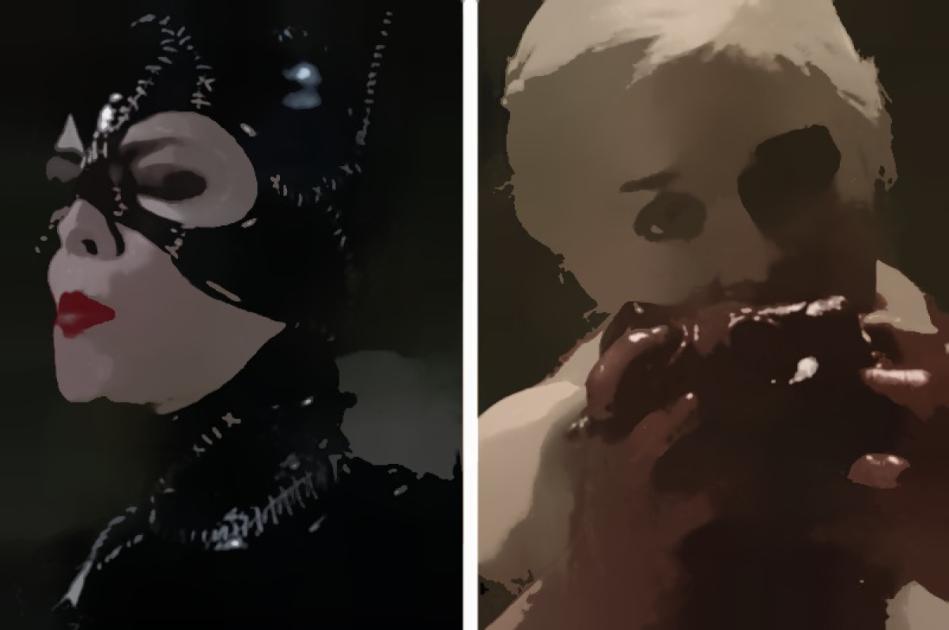
The Price of Cinematic Magic
Making movies look easy on screen often comes at a very real cost to the actors involved. While audiences cheer for breathtaking stunts and gasp at terrifying moments, many forget that the people on set sometimes put their physical and mental health on the line. From wading through contaminated water to enduring hours of prosthetics, some scenes have become legendary for just how miserable they were to film. These aren't just challenging performances. they're stories of actors pushing through discomfort, danger, and outright disgust to deliver unforgettable moments.
Water Scenes That Made Headlines
Perhaps no category of difficult filming matches the horror of contaminated water sequences. Actors have repeatedly found themselves in situations where the liquid surrounding them was far from clean. Whether dealing with murky ponds used for period pieces or specially designed tanks that became breeding grounds for bacteria, several performers have spoken openly about the health risks they faced. The combination of cold temperatures, unknown substances, and hours of submersion created perfect conditions for illness and infection. Some actors have admitted to developing skin conditions or worse after such shoots, leading to improved safety protocols on modern productions.
Physical Transformation Torture
The makeup chair can be just as punishing as the actual filming. Actors undergoing extreme prosthetic transformations often spend five, six, or even eight hours daily in the hands of makeup artists. Beyond the time investment, the physical toll includes allergic reactions to adhesives, breathing difficulties from facial pieces, and the sheer claustrophobia of having one's face essentially covered in rubber and glue. Several performers have described feeling trapped and anxious during these extended sessions, yet they still had to deliver emotionally demanding performances once filming began. The dedication required for these visual transformations often goes unnoticed by audiences focused solely on the final result.
Emotional and Psychological Burdens
Not all grueling scenes involve physical discomfort. Some of the most difficult moments actors face come purely from an emotional standpoint. Intense dramatic scenes requiring genuine tears, panic, or trauma portrayal can linger long after the camera stops rolling. Method actors in particular have described the challenge of staying in character through traumatic scenarios, with some experiencing genuine psychological distress. Directors have noted how these performances often require actors to tap into personal pain or trauma, making the work deeply exhausting on a mental level. The industry has become more aware of the need for mental health support during such productions.
Dangerous Stunts and Practical Consequences
While stunt performers handle the most extreme physical risks, lead actors increasingly perform their own challenging sequences. From fighting in extreme weather conditions to executing their own falls and impacts, the desire for authenticity has led to real bruises, broken bones, and lasting injuries. Practical effects have made a major comeback in recent years, meaning actors often face flames, fake blood, and simulated violence that tests their courage. The line between performance and reality sometimes blurs dangerously, with actors describing moments of genuine fear they had to push through to complete the shot.
Industry Changes and Actor Advocacy
The tide is turning in Hollywood regarding on-set safety. High-profile incidents in recent years have sparked important conversations about protecting performers during difficult sequences. Productions now commonly provide detailed safety briefings, on-set medical personnel, and psychological support for emotionally demanding work. Actors are increasingly empowered to speak up when conditions seem unsafe, and unions have strengthened their advocacy for better working conditions. While some legendary difficult scenes might never be replicated due to today's standards, the stories of those who endured them remain testament to the extraordinary commitment required for cinematic excellence.