 CELEB
When Writers Forget Women Exist Outside of Men
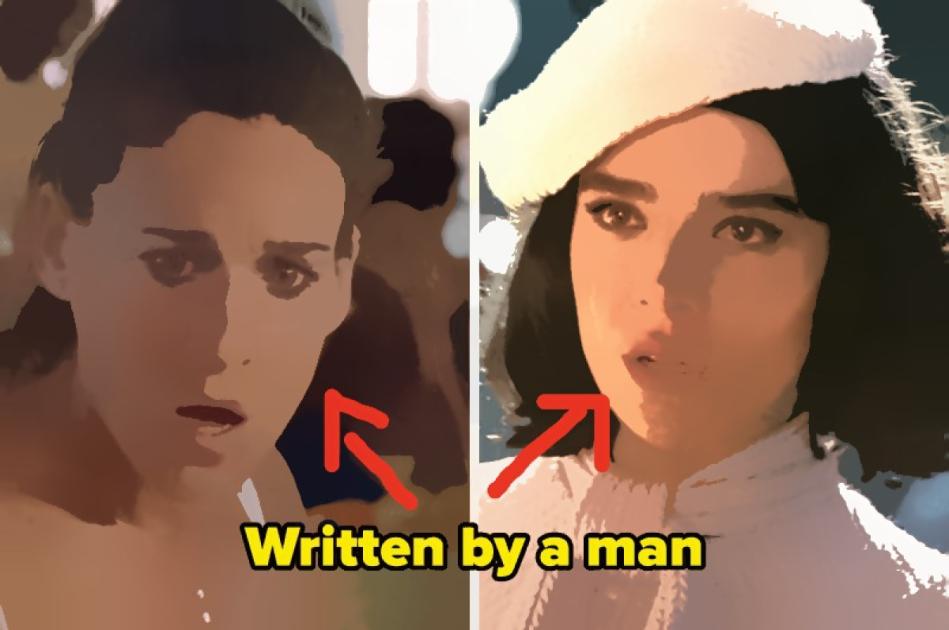
Let's be real: most of us have watched a movie or TV show and thought, "Okay, who hurt this writer?" when it comes to female characters. There's a particular brand of badly written woman that pops up again and again, and it's not subtle. We're talking about the character who exists solely to motivate the male lead, whose entire personality is "mysterious and cold" (which apparently means she doesn't smile for the entire film), and whose dialogue could be replaced with a cardboard cutout and you'd barely notice the difference.
The frustrating part isn't that male writers can't write women. plenty of them can and do. The issue is lazy, one-dimensional writing that treats female characters as plot devices rather than actual human beings. When a writer hasn't bothered to observe how real women talk, think, and move through the world, it shows. And audiences notice.
The Manic Pixie Dream Girl: Still Haunting Our Screens
If you've ever fallen in love with a quirky, free-spirited woman in a film who exists purely to teach a brooding male protagonist how to live again, congratulations. you've met the Manic Pixie Dream Girl. Film critic Nathan Rabin coined this term back in 2007, and nearly two decades later, she's still going strong.
Think about it: how many films feature a woman with an unusual hobby (usually involving music or vintage items), an infectious laugh, and zero discernible goals beyond making some sad guy feel alive? These characters don't have backstories, family drama, career ambitions, or inner conflict. They have big eyes, whimsical fashion sense, and an inexplicable desire to fix broken men. It's exhausting, and audiences have been calling it out loudly.
The "Strong Female Character" Who Forgot to Be Human
Somewhere along the way, "writing strong female characters" became code for "make her tough, give her fight scenes, and don't let her show vulnerability." Newsflash: that's not strength, that's a robot in heels.
Real strength in women looks like逞强 in front of enemies but crying in the bathroom after. It's being competent at work and still having no idea how to adult properly. It's being scared and doing the thing anyway. When writers (of any gender, honestly) reduce "strong" to "emotionally unavailable warrior," they miss the entire point. The most memorable female characters in fiction are the ones who feel real. who make mistakes, who have complicated relationships, who grow and change.
The Bechdel Test: A Bar So Low We Should Be Embarrassed
Comedian Alison Bechdel proposed a simple test in her 1985 comic strip: Does a work feature at least two named women who talk to each other about something other than a man? Sounds easy, right? Yet countless films and shows fail this basic standard daily. This isn't about quotas. it's about whether women exist as full people in the stories we tell.
When female characters can only discuss romantic interests, when they never have conversations with each other that aren't about men, it sends a message: women's lives revolve around men. That's not just bad writing, it's a limited worldview that perpetuates harmful stereotypes.
What Actually Makes a Female Character Feel Real
Here's the secret sauce that many writers miss: women are people. Revolutionary, I know. Write them like they'd exist in real life. with hopes, fears, contradictions, and the occasional bad hair day. Give them friendships that aren't competitive. Let them be petty sometimes. Let them be petty AND competent. Let them fail without it being their entire arc.
The best female characters feel like someone you could text at 2 AM when you're going through something. The worst ones feel like they were assembled from a list of "female traits" written by someone who's never actually had a conversation with a woman. The difference isn't the gender of the writer. it's whether the writer bothered to see women as full human beings worthy of authentic storytelling.