 CELEB
CELEB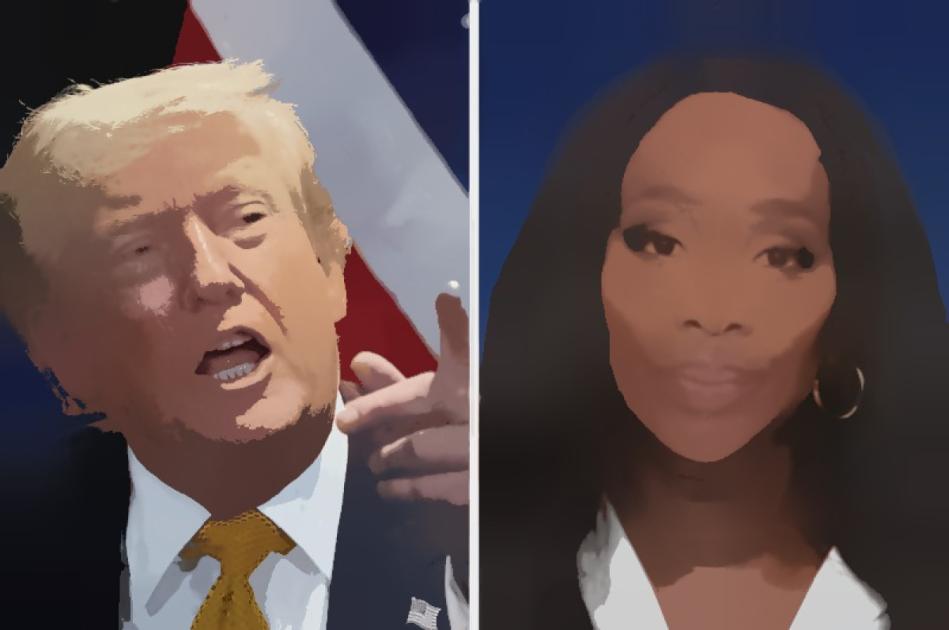
The Viral Moment That Sparked Discussion
CNN recently aired a striking split-screen comparison that has been making the rounds on social media, highlighting what many viewers perceived as a dramatic shift in positions regarding Iran. The network's side-by-side presentation showed contrasting statements, prompting viewers to draw their own conclusions about the evolution of the administration's stance. This kind of visual journalism has become increasingly common as news outlets seek to hold public figures accountable for their changing rhetoric over time.
What the Comparison Showed
The split-screen format proved particularly effective for illustrating perceived contradictions, with timestamps clearly marking when each statement was made. Supporters of the administration have pushed back on the characterization, arguing that changing circumstances warrant policy adjustments. Critics, however, have pointed to the presentation as evidence of inconsistent leadership on a critical foreign policy issue. The debate highlights the broader challenge of evaluating political leadership in an era of rapid global change.
The Bigger Picture
This kind of comparative journalism speaks to a larger trend in media coverage, where outlets increasingly use visual tools to help audiences track changes in political positions. Whether one views these presentations as fair analysis or gotcha journalism likely depends on their existing political leanings. What's undeniable is that such segments generate significant viewer engagement and spark important conversations about accountability in leadership.
Why This Matters for Voters
Understanding a leader's evolution on complex issues like Iran policy requires examining not just what was said, but the context surrounding those statements. International relations rarely remain static, and effective leadership often requires adapting to new information and changing circumstances. However, the American public increasingly demands transparency about when and why positions shift. CNN's presentation, regardless of one's political perspective, underscores the importance of paying attention to the details that shape our understanding of leadership.