 CELEB
CELEB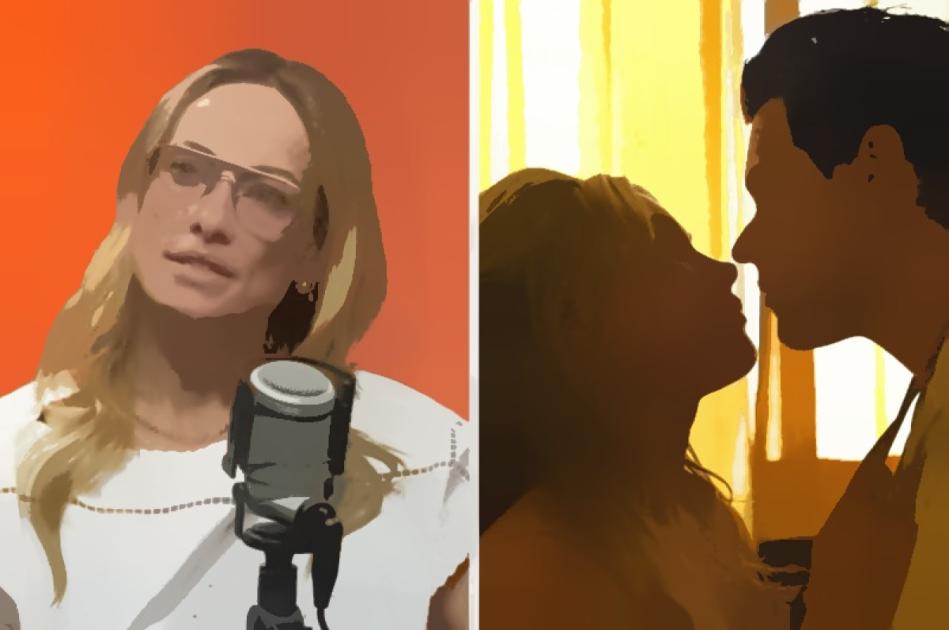
The Premise That Started It All
Olivia Wilde's psychological thriller "Don't Worry Darling" hit theaters in September 2022, starring Florence Pugh and Harry Styles in leading roles. The film, set in a seemingly perfect 1950s-style community with sinister undertones, had all the ingredients for a awards-contending hit: an intriguing premise, a talented cast, and a director with a growing reputation. What unfolded during the promotional cycle, however, would overshadow much of the actual filmmaking achievement.
The movie's marketing campaign began with high expectations, positioning the film as a bold exploration of gender roles and societal expectations. Early trailers suggested a tense, mysterious thriller that would spark conversation. and for a while, that's exactly what happened, though perhaps not in the ways anyone anticipated.
When Romance Became the Story
As press interviews and premieres commenced, the elephant in the room became impossible to ignore: Olivia Wilde's well-publicized relationship with Harry Styles, which began during filming. While celebrity couplings typically generate positive buzz for projects, this particular situation quickly became complicated.
Wilde herself addressed the media frenzy in interviews, suggesting that the intense scrutiny surrounding her personal life had distracted from the film's actual message. She noted that the constant coverage of her relationship with Styles had, in her view, "hurt" the reception of the movie. It's a rare admission from a director. publicly acknowledging that tabloid attention might have undermined their creative work.
Behind-the-Scenes Tensions
The promotional period wasn't without its own drama. Reports emerged about on-set tensions, particularly involving Florence Pugh. While Pugh maintained a professional public demeanor, whispers of disagreements regarding the film's direction and the attention lavished on Styles' involvement circulated in entertainment reporting.
Wilde found herself navigating an unusual position: defending both her artistic choices and her personal life simultaneously. The director, known for her work on "Booksmart," seemed caught between promoting a film she'd worked years to create and managing a media narrative that had spiraled beyond her control.
Lessons From a Chaotic Release
Looking back, the "Don't Worry Darling" press tour serves as a case study in how celebrity culture can overshadow cinema. The film itself received mixed but often positive reviews, with critics praising Pugh's performance and the visual craftsmanship. Yet the discourse online remained dominated by relationship speculation and behind-the-scenes gossip.
For industry observers, the episode raised questions about the increasingly blurred lines between star personas and artistic work. When audiences arrive at a theater more interested in off-screen drama than on-screen storytelling, something fundamental has shifted in how we consume celebrity-driven projects.
What Could Have Been Different
It's impossible to know whether "Don't Worry Darling" would have found a more receptive audience without the tabloid storm. The film had genuine strengths. its aesthetic vision, thought-provoking themes, and strong performances. that deserved serious consideration. Instead, those qualities often played second fiddle to Instagram posts and red carpet speculation.
For Wilde, the experience represented both a professional challenge and a learning opportunity. Directors rarely have control over the narrative surrounding their work, and this case illustrated just how quickly external factors can reshape public perception of a film.