 CELEB
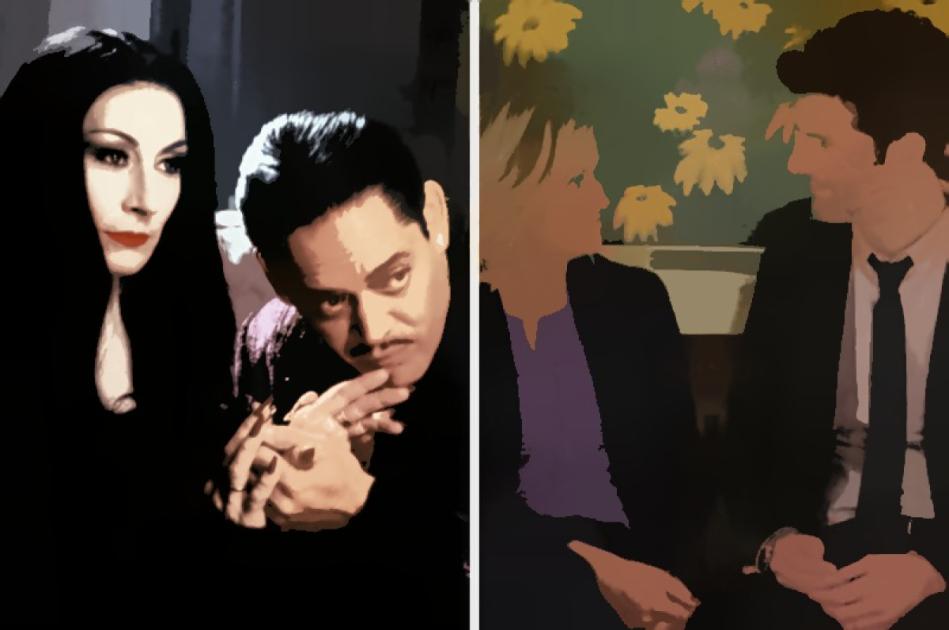
Why Fictional Couples Capture Our Hearts
Let's be honest: we've all had that moment where we're binge-watching a TV show or re-watching a movie, and suddenly you look over at your partner (or your empty couch) and think, 'Why can't we be like that?' Fictional couples have a strange power over us. They represent the idealized version of love that screenwriters craft to make us feel something profound. From the witty banter to the dramatic reconciliations, these romances are designed to hit us right in the feels.
The truth is, we don't just watch these relationships. we invest in them emotionally. When Jim handed Pam that teapot with the mixtape inside on 'The Office,' millions of viewers felt genuine joy. When Ross finally said 'I love you' to Rachel after years of will-they-won't-they tension, fans cheered from their living rooms. These moments stick with us because they represent the romantic理想 we've been dreaming about since we first learned what love meant.
The Hallmark Couples That Set the Standard
Some fictional pairings have become so iconic that they've essentially redefined what we expect from our own relationships. Jim Halpert and Pam Beesly from 'The Office' tops just about every list for good reason. Their slow-burn romance, built on friendship and genuine compatibility, feels refreshingly real despite the workplace comedy setting. They supported each other's dreams, navigated difficult times (looking at you, Roy), and never stopped making each other laugh.
Then there's Derek Shepherd and Meredith Grey from 'Grey's Anatomy.' Their love story is intense, dramatic, and occasionally heartbreaking, but what makes them relationship goals is their ability to weather impossible storms together. When Derek died in season 11, viewers mourned for months because their connection felt that authentic.
No conversation about relationship goals would be complete without mentioning Elizabeth Bennet and Mr. Darcy. Jane Austen's masterpiece has endured for over 200 years because their journey from mutual dislike to deep respect and passionate love represents everything we want: intellectual connection, personal growth, and a partner who sees your true worth.
What Makes These Couples So Aspirational?
Here's the thing about fictional relationships: they're written to be compelling, not necessarily realistic. Writers carefully construct every meaningful glance, every perfectly timed joke, every dramatic gesture to create maximum emotional impact. Real relationships involve grocery lists, awkward family dinners, and the mundane reality of sharing a bathroom.
But that doesn't mean we should dismiss what makes these couples special. Many fictional relationships succeed because they show partners who genuinely like each other, communicate through conflict, and remain committed even when things get tough. Jim and Pam's strength wasn't just the grand gestures. it was Pam showing up for Jim's art show when no one else did. It's the small acts of genuine support that resonate.
Keeping It All In Perspective
While it's perfectly fine to admire fictional romances, experts warn against holding our actual relationships to impossible standards. Social media and streaming platforms have made it easier than ever to compare our messy, imperfect love lives to curated, beautifully edited storylines. The key is appreciating what these couples represent while remembering that real love is often quieter, less dramatic, and infinitely more rewarding in its own way.
So the next time you find yourself envying a fictional couple, take a moment to appreciate what they represent: the hope that meaningful connection exists. Then turn off the screen, look at the person beside you, and remember that your own love story. imperfect as it may be. is the one that actually matters.