 CELEB
CELEB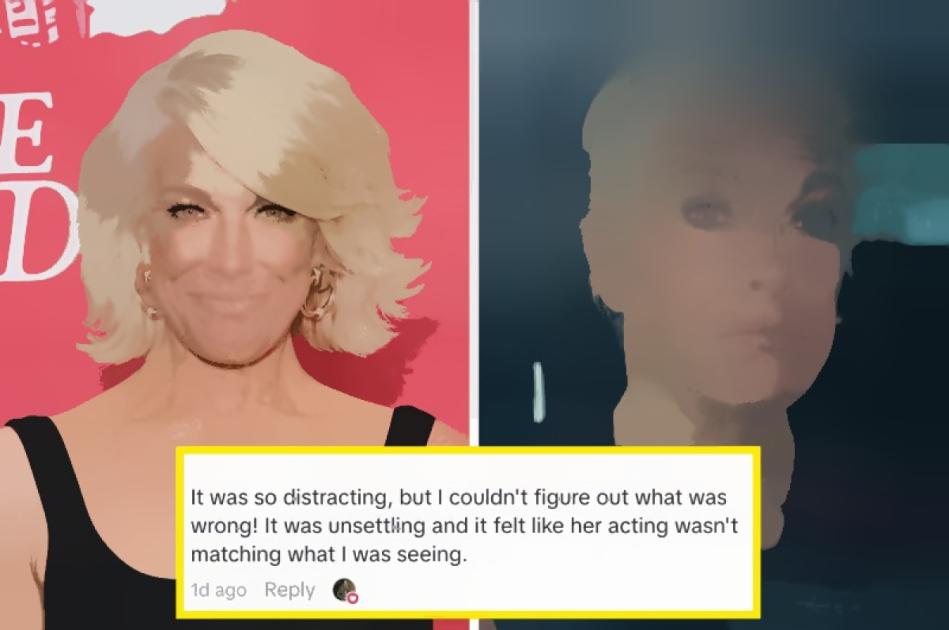
The Viral Moment That Started It All
When fans got their first glimpse of Hannah Waddingham without the usual TV polish, the internet couldn't stop talking. Screenshots comparing the Ted Lasso star's completely unretouched appearance alongside her moments on a new television project sent social media into a frenzy. The stark difference between her natural skin texture and what appeared on screen sparked immediate conversations about what really happens behind the scenes in the entertainment industry's pursuit of perfection.
What's Really Going On With 'Skin Softening' Technology
The technology responsible for these visual discrepancies goes by several names in the industry. skin smoothing filters, beauty mode, or digital retouching. and it's become increasingly sophisticated over the past decade. What once required hours of manual post-production work can now be applied in real-time during filming or with a simple click during editing. Industry insiders suggest that these tools have become so ubiquitous that many performers don't even realize they're being applied until they see the final product.
The Industry's Dirty Little Secret
Critics argue that this widespread use of skin softening technology sends damaging messages to viewers, particularly young women who may already struggle with body image concerns. When a visibly healthy, radiant 51-year-old actress appears to have poreless, wrinkle-free skin on television, it creates an unattainable standard that doesn't reflect reality. Women's health advocates have long warned that such unrealistic portrayals contribute to decreased self-esteem and can fuel dangerous beauty ideals.
Waddingham's History of Speaking Out
This isn't the first time Waddingham has addressed beauty standards in the industry. The actress has previously been vocal about her experiences with pressure to conform to certain looks, emphasizing that she believes in celebrating natural aging rather than hiding from it. Her willingness to address these issues head-on has earned her praise from fans who appreciate her authenticity and honesty about the realities of working in front of the camera.
Where Do We Go From Here
The conversation sparked by these comparisons highlights a broader debate about transparency in media representation. Some argue for mandatory disclosure when filters are used, while others believe the industry should simply move away from these practices altogether. Whatever the outcome, one thing is clear: audiences are becoming increasingly savvy about spotting the difference between reality and digital enhancement, and they're demanding more authenticity from their entertainment.