 CELEB
The Power of Cinematic Costumes
When we think about the most memorable moments in film and television history, it's impossible to separate the story from what the characters were wearing. Costume design isn't just about aesthetics. it's about storytelling. From the moment a character appears on screen, their outfit communicates personality, status, and emotional journey. Some costumes become so iconic that they transcend the source material entirely, influencing fashion trends for decades and embedding themselves in popular culture.
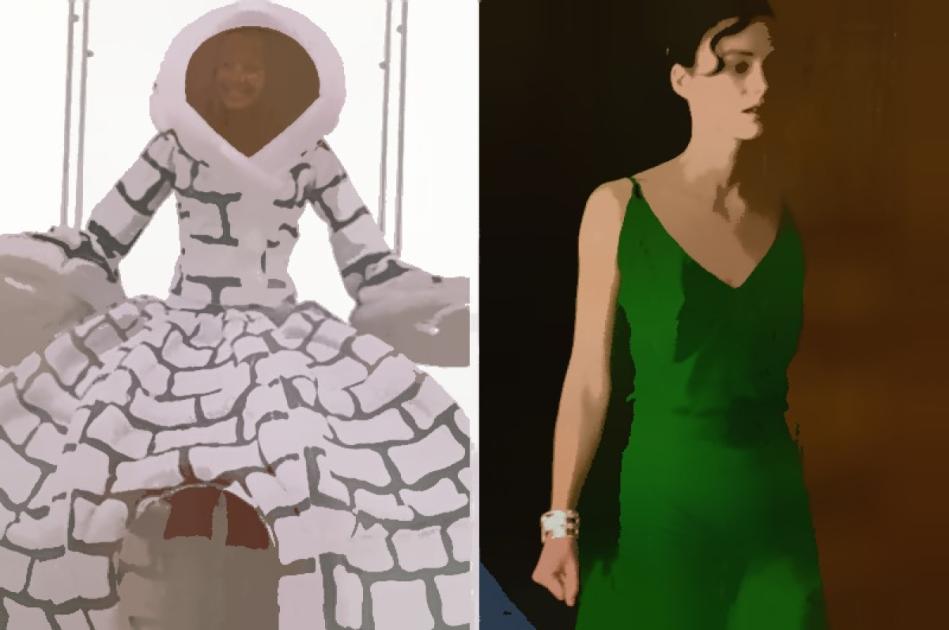
Consider how a single outfit can define an entire character. When we close our eyes and picture Princess Leia, it's that white robe with the distinctive hood. When we think of Holly Golightly, we see that little black dress with the pearls. These aren't just clothes. they're visual shorthand for entire personalities and narratives.
Hollywood's Most Influential Fashion Moments
The little black dress Audrey Hepburn wore in "Breakfast at Tiffany's" (1961) remains one of the most copied designs in fashion history. Designed by Hubert de Givenchy, the dress became synonymous with elegance and sophistication. Decades later, it still appears in "best of" fashion lists and continues to inspire designers on runways worldwide.
Moving into more recent history, Carrie Bradshaw's tutu in "Sex and the City" became an unexpected cultural phenomenon. The idea that a woman could spend $800 on a single pair of shoes. and build an entire personality around fashion. was revolutionary for its time. Sarah Jessica Parker's character made it acceptable to be unapologetically obsessed with clothing.
The "Mean Girls" pink Regina George outfit proved that villain fashion could be aspirational. That single scene where she wears the scandalous red dress to the school dance created a costume moment that still dominates Halloween costumes two decades later.
Television's Fashion Revolution
While films often get the most attention for costume design, television has given us equally memorable moments. The structured blazers and pencil skirts of "Mad Men" sparked a vintage fashion revival when the show premiered in 2007. Don and Peggy's wardrobes became a masterclass in professional attire that resonated with modern audiences.
"Gossip Girl" introduced luxury fashion to a generation of viewers, with Blair Waldorf's headbands becoming a signature look that transcended the show. The character's preppy aesthetic influenced countless young women's style choices during the show's original run and even after its reboot.
Perhaps no recent show has impacted fashion quite like "Bridgerton." The Regency-era costumes featured bold colors and romantic silhouettes that inspired wedding themes, prom dresses, and even formal wear trends. Costume designer Jacqueline Durran won an Oscar for her work on the films, and her Bridgerton work continues that legacy of accessible luxury aesthetics.
The Lasting Impact on Modern Fashion
What makes these outfits truly remarkable is their staying power. When a costume becomes iconic, it enters the cultural lexicon and influences fashion for years, sometimes decades. We see echoes of "Flashdance" off-the-shoulder sweatshirts in modern streetwear. "Clueless" plaid outfits appear in fall collections regularly. Even "The Matrix" leather coats continue to inspire edgy fashion choices.
Celebrities themselves often cite on-screen costumes as inspiration for their personal style or even their actual red carpet looks. This cyclical relationship between screen and street fashion demonstrates how powerful costume design can be in shaping our collective aesthetic sensibilities.
The best cinematic costumes do more than look beautiful. they tell stories without words, create emotional connections with audiences, and sometimes change the way we think about fashion entirely. These aren't just outfits; they're cultural artifacts that continue to inspire us long after the credits roll.