 CELEB
The Mythology Knowledge Gap Is Real
A new wave of educational research has revealed something that should make all of us slightly uncomfortable: the average adult's knowledge of world mythology is, to put it generously, severely lacking. Studies conducted across multiple demographics show that when presented with basic questions about the gods, heroes, and legends that shaped human civilization, most participants scored below passing grades. From Greek Olympians to Egyptian deities, it seems we've forgotten the stories our ancestors told around fires for millennia.
The findings suggest this isn't just a trivia problem . it's a cultural literacy issue. Mythology forms the backbone of countless works of art, literature, movies, and even modern language that we encounter daily. Yet we're largely clueless about the source material.
Why We've Forgotten Our Own Stories
So how did we get here? Experts point to several factors. School curricula have increasingly deprioritized classical studies in favor of STEM-focused education. Additionally, the decline of religious literacy and the fracturing of shared cultural touchstones means fewer people grow up with these narratives as common knowledge. When was the last time you heard someone reference Hercules in casual conversation?
There's also the issue of oversimplification. Pop culture adaptations . from Percy Jackson to the Marvel Cinematic Universe . have given millions a vague familiarity with mythology while simultaneously distorting the original stories. We think we know Zeus, but what we actually know is a Hollywood version of Zeus.
The Quiz That Went Viral (And The Humiliation That Followed)
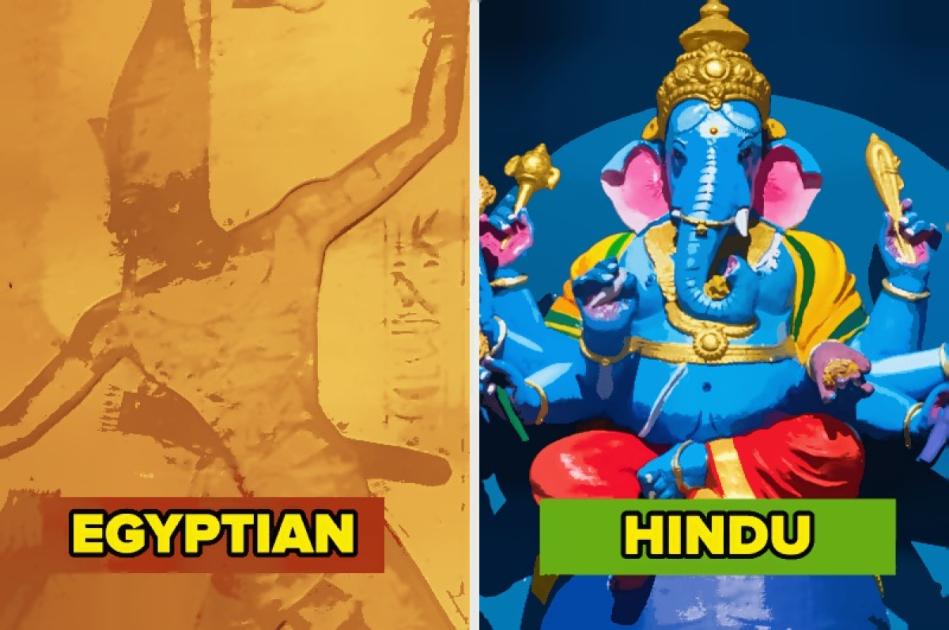
The study included a 20-question general mythology exam covering Greek, Roman, Norse, Egyptian, and Hindu traditions. Questions ranged from identifying which god ruled the underworld to naming the trickster figure in various cultures. The results were telling: only 12% of participants could correctly answer questions about three or more mythological traditions. The average score hovered around 35% . a solid F by any grading standard.
Perhaps most surprising was the generational divide. Researchers expected older adults to perform better, having potentially been exposed to more classical education. Instead, younger participants who had played video games like God of War actually outperformed their elders in certain categories, though overall scores remained disappointing across all age groups.
What This Says About Us (And What We Can Do About It)
Here's the uncomfortable truth: mythology isn't just dusty old stories. It's the foundation of how humans have understood the world, morality, and each other for thousands of years. When we lose this knowledge, we lose connection to the collective wisdom of our species. The hero's journey, the cautionary tales, the explanations for natural phenomena . all of it shaped who we are.
The good news? It's never too late to start learning. And honestly? Diving into mythology is one of the more entertaining educational rabbit holes you can explore. Whether you start with Edith Hamilton's classics or binge Neil Gaiman's Norse Mythology, you're about to discover why these stories have endured for millennia. Your future self . and your next trivia night . will thank you.