 CELEB
Why We Can't Resist the Villain Quiz Trend
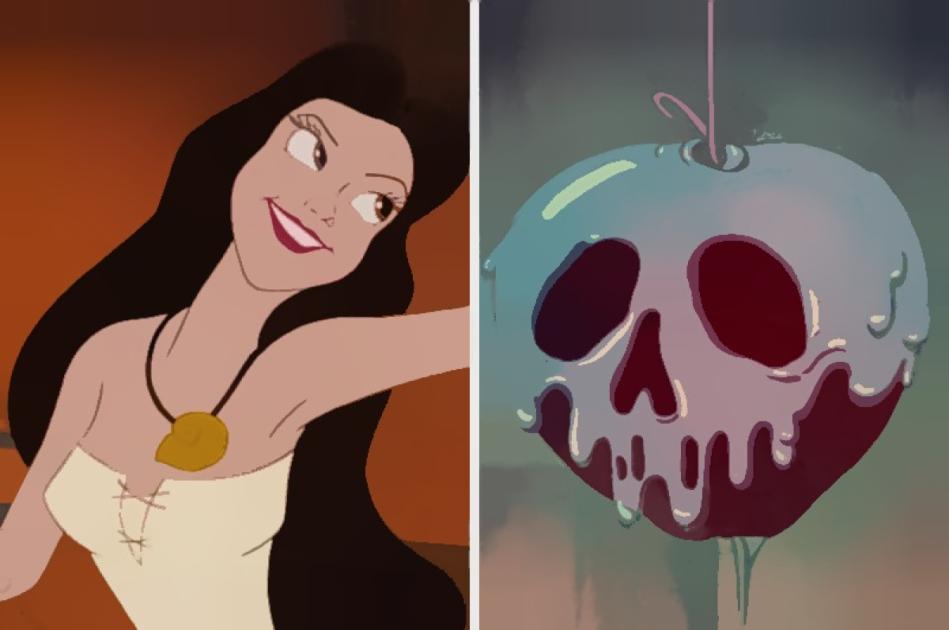
There's something undeniably thrilling about scrolling through social media and stumbling upon a quiz that promises to reveal which Disney villain matches your personality. These interactive quizzes have taken over fan communities, celebrity gossip sites, and even serious pop culture analysis platforms. The appeal goes beyond simple entertainment. these tests tap into our fascination with the complex, morally gray characters we've grown up watching. From Ursula's sassy confidence to Maleficent's regal ambition, each villain represents a different personality archetype that resonates with millions of people worldwide.
What Your Favorite Villain Says About You
The quiz results often reveal surprising insights about personality traits we might not openly admit to possessing. Choosing Scar might suggest you're strategic and value intelligence over physical strength. Being matched with Hades could indicate a quick wit and sharp tongue that others both love and fear. Cruella De Vil enthusiasts often display creative intensity and an unapologetic approach to getting what they want. These quizzes frame darker personality traits in a playful, non-threatening way, allowing participants to explore aspects of themselves they might typically keep hidden.
The Science of Why We're Drawn to Villainy
Psychologists suggest that engaging with villain personas provides a safe space to explore our shadow selves. In everyday life, admitting to feeling resentful, ambitious to the point of ruthlessness, or capable of betrayal feels uncomfortable. Yet when we discover we're "like Jafar" or "share Maleficent's regal disdain," there's no shame. only entertainment value. This psychological distance allows for genuine self-reflection without the emotional weight of direct self-criticism. The quizzes essentially gamify introspection, making personal growth feel like play rather than work.
The Most Popular Villain Matches Revealed
Data from various personality quiz platforms shows consistent patterns in results. Ursula and Jafar consistently rank among the most common matches, reflecting modern society's appreciation for cunning intelligence and self-made ambition. Hades remains popular for his humor and charm despite his destructive tendencies. Interestingly, newer villains like Dr. Facilier from "The Princess and the Frog" have gained traction among younger demographics who appreciate his mystical complexity. The distribution of results often mirrors cultural values. emphasizing ambition and wit in some eras, while gravitating toward misunderstood complexity in others.
Should We Take These Results Seriously?
While these quizzes are primarily designed for entertainment, many participants find themselves genuinely reflecting on their results. Some have reported using their villain match as a conversation starter in therapy sessions, exploring how traits they share with fictional antagonists manifest in their daily lives. Experts caution against using quiz results as definitive personality assessments, but acknowledge their value as starting points for self-reflection. The real benefit might not be in the accuracy of the match, but in the conversations and self-awareness they spark.